Choosing the right Stainless Carriage Bolt in 2026 requires more than comparing prices or polished product photos. Buyers must examine grade, thread accuracy, head dimensions, surface condition, and installation environment. A bolt exposed to coastal air behaves differently from one installed inside a dry warehouse. Small details matter. A washer can prevent surface damage, while incorrect tightening can distort the square neck and weaken the joint.
Market evidence supports this careful approach. Grand View Research and Mordor Intelligence continue to identify construction, automotive production, infrastructure renewal, and corrosion-resistant hardware as important fastener demand drivers. Their recent market assessments also show strong interest in stainless steel products, especially where maintenance costs and service life influence purchasing decisions. However, market reports often group carriage bolts with wider fastener categories. That limitation deserves attention. A broad growth figure cannot automatically prove that every Stainless Carriage Bolt type suits every application.
John H. Bickford, a recognized authority on bolted-joint design, described a bolted joint as “a system of springs.” That principle remains practical for buyers. Joint tension, material compatibility, thread engagement, and load direction must work together. ASTM F593 material specifications and ASME B18.5 dimensional guidance provide useful reference points, but compliance marks still require verification from reliable suppliers. Do not trust a label alone.
This guide compares stainless grades, drive and neck designs, thread options, strength considerations, and purchasing risks. It also questions common assumptions, including the belief that a higher-priced bolt always performs better. Sometimes, it does not. The best 2026 choice is the one matched precisely to the load, environment, assembly method, and evidence available.
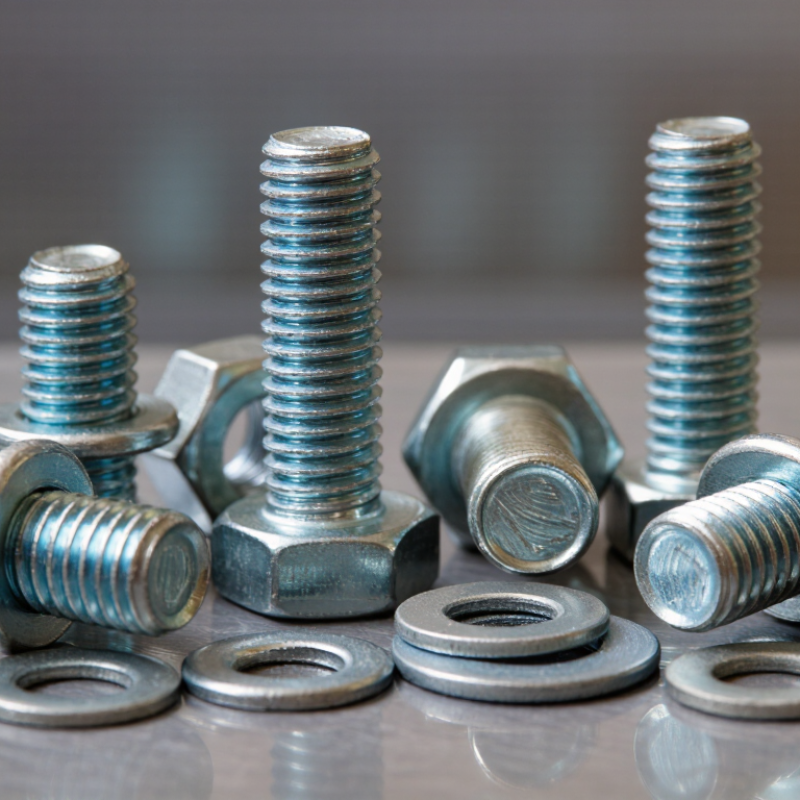
Stainless carriage bolts combine a smooth, rounded head with a square neck beneath it. The neck locks into timber or a prepared hole, preventing the bolt from turning during tightening. This design suits decks, outdoor frames, furniture, and light structural assemblies. Stainless steel also resists moisture, staining, and many common outdoor contaminants.
The most familiar options use 304 stainless steel, often called 18-8, for general environments. 316 stainless steel offers stronger resistance in coastal or chloride-rich conditions. However, corrosion resistance is only part of the decision. Check the bolt diameter, thread length, neck size, head clearance, and required strength. A short neck may fail to grip properly. A long thread can leave sharp metal exposed. Head style matters too: domed heads provide a cleaner appearance, while larger heads can spread pressure more effectively.
Tips: Match the bolt to the joined materials, not just the visible finish. Measure the hole carefully. A loose square neck may spin under load. Use a washer and avoid excessive tightening, which can crush softer wood or damage threads. I have found that polished stainless surfaces can hide small scratches, and those marks may later collect grime. That detail is easy to overlook. Also inspect for burrs, uneven threading, and unclear material specifications before purchase.
Square-neck stainless carriage bolts suit timber frames, decks, and structural outdoor assemblies. Their neck locks into a predrilled square recess, limiting rotation during nut tightening. Rib-neck versions grip softer wood more gently. They are useful for furniture, fencing, and light structural panels. Fin-neck and undercut designs work better in thinner sheet materials. The correct neck depth matters.
Material selection changes with exposure. Type 304 stainless steel handles common outdoor moisture and indoor humidity. Type 316 offers stronger resistance to chlorides near seawater, roads, and industrial washdown areas. However, 316 is not automatically the best purchase. Thread galling, crevice corrosion, and poor drainage can still cause failure. ASTM F593 covers stainless steel bolts and fasteners, while ASME B18.5 defines carriage bolt dimensions. ISO 3506 also helps buyers compare stainless mechanical properties.
Scale matters. The International Stainless Steel Forum recorded about 58.4 million tonnes of global stainless crude steel production in 2023, showing the material’s broad industrial demand. Yet that figure does not prove every grade suits every application. A 2024 corrosion-control report from a major engineering association also stresses chloride exposure, surface contamination, and joint design as practical variables. Check the washer diameter, grip length, and thread engagement before ordering. A domed head looks clean. It can still trap water against a poorly finished surface. My own buying mistake was focusing on grade before checking neck fit. That choice needed reconsideration.
Choosing the right stainless carriage bolt starts with the environment, not the price. Grade 304, often called 18-8, suits indoor frames, light outdoor fixtures, and general assembly. Grade 316 offers better resistance near saltwater, pool chemicals, and persistent moisture. It usually costs more. That difference matters when replacement work is difficult.
Check the bolt’s strength class and standard before ordering. Metric A2-70 and A4-70 bolts provide useful reference points, but markings should match the supplier’s test documentation. Do not assume every stainless bolt has identical load capacity. Stainless steel can gall during tightening. Use clean threads, moderate speed, and a compatible lubricant where permitted. I have seen perfectly sized bolts seize because installation friction was ignored.
Measure diameter and length carefully. Length is normally measured from beneath the head to the tip, not across the rounded head. Choose a square-neck size that fits the material without crushing it. For most general repairs, coarse threads install more easily and tolerate dirt. Fine threads offer better adjustment and stronger engagement in thinner metal, but they need cleaner alignment. Match UNC or UNF threads in inch systems, and coarse or fine metric threads in metric assemblies. Mixing patterns may feel possible for a turn, then damage both parts. Check the nut by hand first. A small inspection saves rework.
2026 Best Stainless Carriage Bolt Types for Buyers
When selecting stainless carriage bolts, check strength before appearance. A smooth dome head looks neat, but load capacity depends on diameter, length, and stainless grade. Type 304 suits indoor frames, garden structures, and areas with moderate moisture. Type 316 performs better near saltwater, pool chemicals, and coastal air. It resists chloride corrosion more effectively.
Strength is only one part of performance. Stainless steel can gall during tightening, especially when threads are dry or overtightened. Use steady hand pressure, clean threads, and a suitable anti-seize compound when appropriate. The square neck should fit tightly into the material. If it spins inside soft wood, the connection may loosen. That detail is easy to miss.
Tips: Match the bolt to the environment, not just the price. Inspect threads for scratches, dark stains, or uneven forming. Use a washer under the nut when the surface is soft. Avoid mixing unknown metals in wet locations, because galvanic corrosion can develop. For heavy structural loads, verify the manufacturer’s tested tensile and yield values. A stronger-looking bolt is not always stronger. Reflect on the actual load, vibration, moisture, and maintenance conditions before buying.
Performance comparison based on ISO 3506-1 mechanical property classes: strength, resistance to permanent deformation, and typical corrosion suitability.
A2 grades are commonly associated with 304-family stainless steel and provide good general-purpose corrosion resistance for indoor, freshwater, and normal outdoor applications.
A4 grades are commonly associated with 316-family stainless steel and generally offer better resistance to chlorides, coastal exposure, and many chemical environments than A2.
The class number indicates the minimum tensile strength in hundreds of megapascals. Class 80 offers higher tensile and proof strength than class 70 when the application requires greater load capacity.
Mechanical values shown are ISO 3506-1 minimum values for common austenitic stainless fastener property classes. Actual carriage-bolt availability and performance depend on diameter, thread condition, installation torque, temperature, and environment.
A reliable carriage bolt starts with the correct stainless grade, not a shiny finish. For general indoor and mild outdoor use, A2 stainless is common. A4 offers better resistance in coastal or chloride-heavy environments. ISO 3506-1:2020 classifies stainless fasteners by material group and mechanical performance. Check the head, square neck, thread size, and property class together. They must match the drawing.
Quality evidence matters. ASTM F593 covers stainless steel bolts, screws, studs, and similar fasteners, while ASTM F594 covers compatible nuts. Ask suppliers for mill certificates, lot numbers, tensile results, and dimensional inspection records. A 2024 International Stainless Steel Forum report recorded about 58.4 million tonnes of global crude stainless steel production in 2023. Large output does not guarantee consistent bolt quality. It only shows a broad material supply base.
Inspect samples before placing a volume order. Measure the square-neck fit with the actual mounting hole. Check thread smoothness by hand. Then review passivation records and packaging protection. Salt-spray results can help, but they do not replace grade verification or field judgment. I still question unusually low prices. They may reflect efficient production, or weaker inspection. Request a traceable sample, independent testing when risk is high, and clear replacement terms. A supplier that answers with documents is safer than one offering confident promises.
Square-neck bolts fit predrilled square recesses and resist rotation during nut tightening. Check the neck depth carefully.
Rib-neck designs grip softer wood more gently. They suit furniture, fencing, and light structural panels.
Type 304 works well for indoor humidity, garden structures, and moderate outdoor exposure. It is not ideal everywhere.
Choose Type 316 near seawater, pool chemicals, coastal air, or frequent industrial washdown. Chlorides demand more resistance.
No. Poor drainage, trapped water, thread galling, and crevice corrosion can still cause failure.
Keep threads clean and tighten steadily. Avoid dry, excessive force. Use suitable anti-seize when appropriate.
Confirm diameter, length, grip, neck fit, washer size, and thread engagement. These details matter more than appearance.
Use a washer under the nut when the surface is soft. It spreads pressure and reduces surface damage.
Yes. Dissimilar metals may encourage galvanic corrosion. Inspect the joint after exposure to rain or standing water.
No. The dome only affects appearance and surface contact. Strength depends on size, grade, tested values, and actual loading.
Choosing the best Stainless Carriage Bolt in 2026 requires more than comparing prices. These fasteners are defined by their rounded heads, square necks, and reliable resistance to rust, making them suitable for outdoor assemblies, equipment, construction, and general maintenance. Buyers should understand the differences among standard, low-profile, high-strength, and fully threaded designs, then match the bolt’s grade, diameter, length, and thread pattern to the materials and loads involved. Common stainless grades offer different balances of corrosion resistance, strength, and cost, so the application environment should guide the decision.
A careful evaluation should also consider tensile performance, durability, surface quality, dimensional accuracy, and resistance to vibration or repeated exposure to moisture. Before purchasing, verify material specifications, thread consistency, head and neck dimensions, applicable quality standards, packaging, traceability, and supplier reliability. Selecting the right Stainless Carriage Bolt means balancing long-term performance, installation requirements, and overall value rather than choosing solely by appearance or initial price.

Krui Hardware