Stainless Screw Stud Buying Tips for Global Sourcing

Time:2026-08-24 Author:Sienna
0%

In the realm of industrial applications, selecting the right Stainless Screw Stud is crucial. These fasteners serve unique purposes, from construction to automotive manufacturing. Understanding their specifications can greatly impact performance and durability. Sourcing these components globally presents both opportunities and challenges.

When considering suppliers, ensure they demonstrate expertise in Stainless Screw Stud production. Research their manufacturing processes and certifications. Quality assurance should be at the forefront. Reliable suppliers provide transparency throughout the sourcing process, fostering trust and accountability.

However, navigating global markets may not always be seamless. Language barriers and cultural differences can complicate communications. It's vital to invest time in building relationships with suppliers. Take note of potential pitfalls, such as fluctuating materials costs or shipping delays. Consciously weighing these factors can lead to informed decisions and ultimately, successful sourcing.
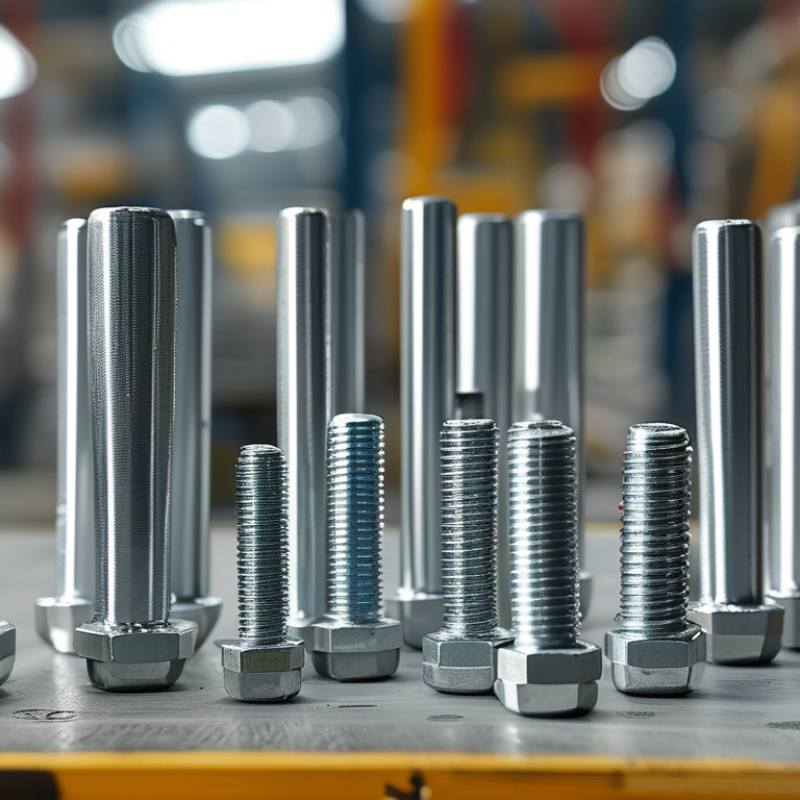
Stainless Screw Stud Buying Tips for Global Sourcing

Stainless Steel Screw Stud Overview and Applications

Stainless steel screw studs are versatile components widely used in various industries. In manufacturing, reports indicate that approximately 25% of all fasteners used are made from stainless steel. This preference is due to their resistance to corrosion and durability. Screw studs are typically embedded in materials to provide strong fastening options, ideal for both structural applications and light-duty tasks.

Many industries, like automotive and construction, rely heavily on stainless steel screw studs. For example, in automotive engineering, these studs are crucial for securing engine parts and frame components. The American Society for Testing and Materials (ASTM) emphasizes the importance of material quality in fasteners, stating that stainless steel can enhance performance in harsh environments. With a growing demand for reliable fastening solutions, the market for stainless steel fasteners is projected to grow significantly.

The applications of screw studs can be found in areas such as machinery, electronics, and building construction. Despite the benefits, sourcing stainless steel screw studs can be challenging. Factors like varying material properties and mechanical strength can complicate the selection process. A report by the Industrial Fasteners Institute suggests that careful consideration of these factors can minimize failures in applications. Overall, understanding the specific needs of each project is vital for successful sourcing.

Key Specifications for Stainless Steel Screw Studs

When sourcing stainless steel screw studs, understanding key specifications is essential. Begin by considering material grades. Common options include AISI 304 and 316, each providing varying levels of corrosion resistance. For marine applications, 316 is often preferred due to its superior durability in saltwater environments. The size and thread type also matter, including metric or imperial standards. This can affect compatibility with existing materials.

Select the right surface finish, which can impact both aesthetics and functionality. Options vary from polished to passivated. A polished finish may offer better protection against corrosion, while passivation enhances the metal's resistance. Don't overlook the importance of load ratings, as this determines how much weight each stud can handle.

Pay attention to quality certifications. Look for studs that comply with industry standards, ensuring reliability. While sourcing, it helps to examine supplier reputations. Online reviews and ratings can provide insights into their performance. Even with all these details, be prepared for variations in specifications. Not every shipment will meet expected standards. Therefore, ordering samples before large purchases can be a wise strategy to confirm quality and fit.

Factors to Consider in Global Sourcing of Screw Studs

When sourcing stainless screw studs globally, one must consider multiple factors. Quality is paramount; materials used must be stainless steel to ensure durability. Poor-quality screws can lead to project failure. Review certifications of potential suppliers to verify compliance with industry standards. Ask for samples before making bulk orders.

Cost is another crucial aspect. It's tempting to choose the lowest price, but this may compromise quality. Always evaluate the total landed cost, which includes shipping and customs fees. A low upfront price can lead to higher costs later, especially if replacements are needed.

Communication plays a vital role in global sourcing. Time zone differences can cause delays. Ensure suppliers are responsive and open to questions. Language barriers can lead to misunderstandings. Consider using professional translators if necessary. Relying solely on emails may miss nuances; video calls can foster better relationships. These details can significantly impact the success of your sourcing efforts.

Quality Assurance and Testing Standards for Screw Studs

When sourcing stainless screw studs, quality assurance is crucial. The ASTM (American Society for Testing and Materials) outlines specific testing standards that manufacturers must meet. For instance, tensile strength tests ensure the screw studs can withstand heavy loads. The requirements for stainless steel grades employed, such as AISI 304 and AISI 316, provide a basis for rust resistance and structural integrity.

Inspection methods like visual checks, salt spray tests, and dimensional verification help maintain quality. Recent industry reports indicate that up to 20% of screw studs fail initial inspections due to inaccuracies in manufacturing. These failures can lead to costly mistakes in projects, emphasizing the need for thorough testing.

Global sourcing means you may encounter varying quality standards. Not all suppliers adhere to the same protocols. Ensuring compliance with international standards, such as ISO 9001, is essential. Companies should regularly audit their suppliers. A lack of established quality assurance processes can lead to inconsistent products, ultimately affecting performance. Organizations must recognize the importance of these standards to avoid issues in the supply chain and project execution.

Cost-Effective Strategies for Sourcing Stainless Screw Studs

When sourcing stainless screw studs, understanding the nuances of global sourcing is crucial. The market offers various suppliers, but not all of them guarantee quality. Always verify the supplier’s credentials. Check their experience in the industry. Reliable suppliers should have a history of consistent quality and a solid track record. This step seems simple but can often be overlooked.

Cost-effective strategies are essential for maximizing value. Consider bulk purchasing to reduce per-unit costs. However, this requires careful forecasting of your needs. Underestimating demand can result in excess inventory. On the other hand, a shortage could lead to production delays. So, it is important to strike a balance.

Communication with suppliers is another key element. Be clear about your requirements and specifications. Misunderstandings can lead to costly errors. Be open to feedback from suppliers; they can offer insights into the best materials and practices. Establishing a good relationship can also help in negotiations. Taking the time to build these connections can yield long-term benefits.

Stainless Screw Stud Buying Tips for Global Sourcing - Cost-Effective Strategies for Sourcing Stainless Screw Studs

Dimension Material Grade Finish Type Quantity Price (USD)
M6 x 30mm AISI 304 Polished 1000 0.15
M8 x 50mm AISI 316 Brushed 500 0.25
M10 x 40mm AISI 304 Passivated 800 0.20
M12 x 60mm AISI 316 Electroplated 300 0.35
M16 x 80mm AISI 304 Galvanized 100 0.50

FAQS

: What are stainless steel screw studs used for?

: They are used in various industries for strong fastening options, particularly in manufacturing, automotive, and construction.

Why is stainless steel preferred for screw studs?

Stainless steel resists corrosion and offers high durability, making it suitable for many applications.

What should I consider when sourcing stainless steel screw studs?

Key specifications include material grades, size, thread type, and surface finish to ensure compatibility.

How do material grades affect screw stud performance?

Grades like AISI 304 and 316 offer different corrosion resistance. Grade 316 is better for marine environments.

Why are quality certifications important?

Certifications ensure the studs meet industry standards, which enhances reliability and performance in applications.

How can I reduce costs when sourcing screw studs?

Consider bulk purchasing to lower per-unit costs, but balance your demand forecasting to avoid excess inventory.

What role does communication with suppliers play?

Clear communication about requirements helps prevent misunderstandings and costly errors in orders.

Are there challenges in sourcing screw studs?

Yes, factors like varying material properties and mechanical strength can complicate the selection process.

What can I do to ensure I receive quality products?

Order samples before large purchases to confirm the quality and fit of the screw studs.

How important is supplier reputation?

A reliable supplier with a solid track record is crucial for consistent quality and performance in fasteners.

Conclusion

The article "Stainless Screw Stud Buying Tips for Global Sourcing" provides a comprehensive guide for businesses looking to procure stainless screw studs. It begins with an overview of stainless steel screw studs, highlighting their various applications in different industries, such as construction and automotive. The article then outlines key specifications to consider when selecting screw studs, including material, size, and threading options.

Moreover, it discusses crucial factors for global sourcing, emphasizing the importance of supplier reliability and cost-efficiency. Quality assurance and adherence to testing standards are also covered to ensure that the stainless screw studs meet industry requirements. Lastly, the article presents cost-effective strategies for sourcing, helping businesses make informed purchasing decisions while maintaining high quality. Overall, this guide serves as a valuable resource for companies aiming to effectively navigate the global market for stainless screw studs.

Sienna

Sienna

Sienna is a skilled marketing professional with a deep expertise in our company’s core products and services. With a passion for innovation and detail, she plays a pivotal role in crafting insightful blog posts that not only highlight the unique features of our offerings but also provide valuable......