Choosing the right stainless bushing can significantly impact your project's success. According to John Smith, a leading expert in the field, “The quality of a stainless bushing directly affects performance.” His insight highlights the importance of making informed choices.
Understanding your specific needs is crucial. Different applications require different specifications, such as size and material grade. However, many professionals often overlook these details, leading to costly mistakes. Selecting a stainless bushing isn’t just about function; it’s also about durability and compatibility.
Furthermore, consider the environment where the bushing will be used. Factors like temperature and exposure to moisture can shift your decision. Relying solely on generic advice may not suffice. Real-world experience often reveals that what works in theory may fail in practice. Taking the time to evaluate options ensures the right fit for lasting performance.
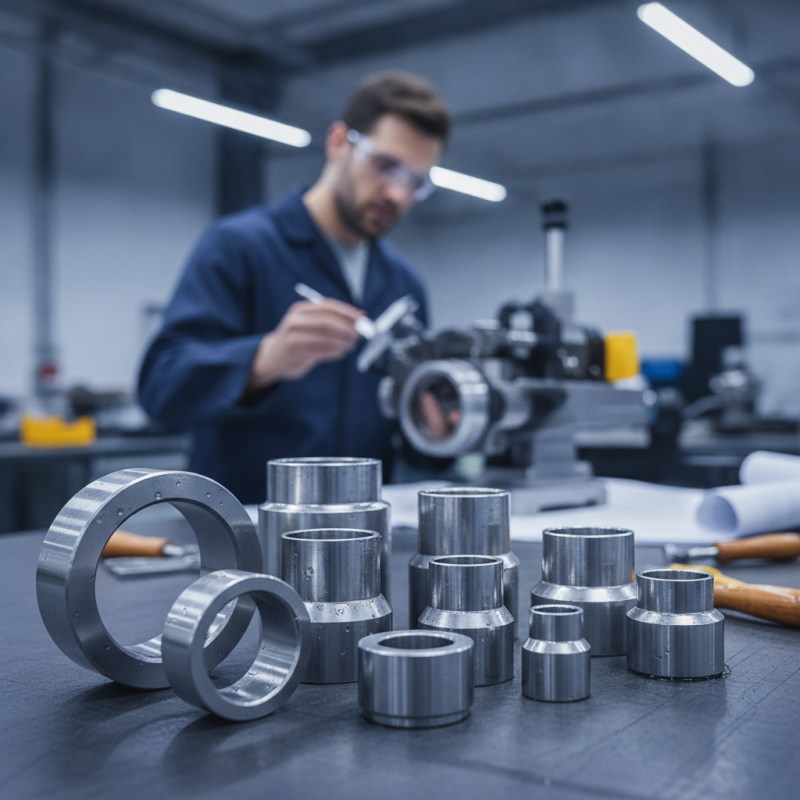
When selecting stainless bushings for various applications, several factors play a crucial role. Material composition is paramount. Many projects require specific grades of stainless steel. For instance, AISI 316 offers superior corrosion resistance in harsh environments, while AISI 304 is often sufficient for less demanding conditions. Understanding these properties can prevent premature failure and enhance lifespan.
Size and dimension are equally important. These bushings must fit precisely into their designated spaces. A small error can lead to misalignment and operational inefficiencies. According to industry data, improper sizing can increase maintenance costs by up to 30%. As such, careful measurement and consideration of tolerances are vital.
In addition, temperature resistance should not be overlooked. Various applications call for bushings that endure extreme heat or cold. Choosing the wrong type can lead to deformation or loss of functionality. A recent study indicated that nearly 15% of equipment failures are attributed to incorrect material selection. Thorough research on the operating environment ensures the right choice is made, ultimately safeguarding performance.
Choosing the right stainless bushing involves understanding the alloys used in their construction. Stainless steel alloys differ significantly in their properties. For example, 304 stainless steel is common due to its good corrosion resistance and formability. It is ideal for general applications. However, it might not be the best choice in extreme environments.
Then, there’s 316 stainless steel. This alloy contains molybdenum, enhancing its strength and resistance to chlorides. It's often chosen for marine applications or chemical processing. Even so, it comes at a higher cost and may not be necessary for every application. Evaluating your specific needs is crucial.
Other alloys, such as 430 stainless steel, offer different benefits. It’s magnetic and less resistant to corrosion than 304 and 316. This material can be suitable for indoor applications where corrosion is minimal. Knowing these distinctions can guide your selection process effectively.
When selecting a stainless bushing, two key performance metrics often stand out: load capacity and corrosion resistance.
Load capacity refers to the ability of a bushing to handle weight and stress without failing. It is crucial for applications in heavy machinery or structural components. A higher load capacity typically means a thicker or stronger bushing. However, designers must balance this with space constraints and weight considerations.
Corrosion resistance is another essential factor. Stainless steel is often chosen for its durability against rust and chemical wear. The specific grade of stainless steel affects this property. Certain environments, like those exposed to saltwater or chemicals, require specialized materials. It's important to evaluate the operating conditions thoroughly. Improper material selection can lead to premature failure, highlighting the need for careful assessment of both metrics. Regular inspections and awareness of potential degradation can also enhance longevity.
When considering stainless bushings, manufacturing processes play a crucial role. Different techniques yield varying results. The quality of a bushing depends on the method used, whether it's casting, forging, or machining. Each process influences properties like strength, resistance to corrosion, and precision. For instance, forged bushings often show better durability compared to those made through casting.
The choice of materials also matters. Not all stainless steels are the same. The composition affects hardness and wear resistance. Poor quality materials can lead to premature failures. Furthermore, consistent monitoring during production ensures that standards are met. Yet, many manufacturers struggle with this. Quality control could be overlooked, impacting the final product.
It’s essential to evaluate manufacturers closely. Look for those with proven expertise and solid reputations. Transparency in processes is a good sign. Ask for details about their techniques and quality checks. This can lead to informed decisions that meet your needs effectively. Balancing costs and quality is never easy; not every option will suit every application.
When selecting a stainless bushing, cost is a critical factor. Balancing quality with budget constraints can be challenging. According to a 2022 industry report, nearly 70% of manufacturers prioritize price over durability. This can lead to poor performance and increased replacement costs. Choosing a quality bushing can reduce maintenance expenses in the long run.
Quality often correlates with the type of stainless steel used. For example, 316-grade stainless steel offers superior corrosion resistance compared to 304. However, it is typically more expensive. The added investment pays off in harsh environments, where the failure of a low-cost bushing could disrupt operations. The same report indicated that failures in low-quality products can lead to operational downtimes, costing businesses approximately $10,000 per hour.
Yet, not all applications require the highest grade materials. Understanding specific operational needs is crucial. For light-duty applications, cheaper options may perform adequately. Conducting a thorough cost analysis, including potential savings from reduced failures, is vital. It's essential to reflect on current choices and consider long-term implications when making decisions.
| Material Grade | Dimension (mm) | Cost (USD) | Application Suitability | Expected Lifespan (Years) |
|---|---|---|---|---|
| 304 | 25 x 15 | 15.00 | General Use | 5 |
| 316 | 30 x 20 | 20.00 | Chemical Processing | 7 |
| Duplex | 40 x 25 | 35.00 | Marine Applications | 10 |
| 430 | 20 x 10 | 10.00 | Food Industry | 3 |
| 17-4 PH | 25 x 15 | 40.00 | High Strength Applications | 8 |
: Load capacity and corrosion resistance are crucial metrics.
It determines how much weight and stress a bushing can handle safely.
It helps prevent rust and chemical wear, extending the bushing's life.
The specific grade of stainless steel used in the bushing.
Different techniques like casting or forging result in varying strength and durability.
The composition affects hardness and wear resistance; poor materials lead to failures.
Evaluate manufacturers for expertise and transparency in their processes.
Regular monitoring ensures standards are met, preventing future issues.
No, it's often challenging, as not every option fits all applications.
Choosing the right stainless bushing is essential for ensuring optimal performance in various applications. When selecting stainless bushings, several factors should be considered, including the type of stainless steel alloy used, as different alloys offer varying levels of strength and corrosion resistance. Additionally, understanding key performance metrics such as load capacity is crucial, as it directly impacts the longevity and reliability of the bushing under specific conditions.
Moreover, the manufacturing processes of stainless bushings play a significant role in determining their quality and performance characteristics. It is also important to conduct a cost analysis that balances the quality of the stainless bushing with your budgetary constraints. By thoughtfully considering these elements, users can make informed decisions that meet their specific needs and requirements in industrial or mechanical applications.

Krui Hardware