When embarking on a woodworking project, selecting the right Stainless Wood Screw can be a game-changer. According to Mark Thompson, a leading expert in fastening technologies, “Choosing the wrong screw can compromise the entire structure.” His insight sheds light on the importance of making informed decisions in this field.
Stainless Wood Screws are known for their durability and resistance to corrosion. This makes them ideal for both indoor and outdoor applications. However, not all stainless screws are created equal. Factors such as material grade, head type, and thread design all play crucial roles in performance. Many woodworkers overlook these details, risking the strength and longevity of their projects.
Consider your material and environment carefully. An inappropriate choice can lead to premature failure. This industry offers a variety of options, each suited for specific tasks. Research and testing can often lead to insights about the right Stainless Wood Screw for your needs. Every project benefits from the right fastener, emphasizing the significance of a thoughtful selection process.
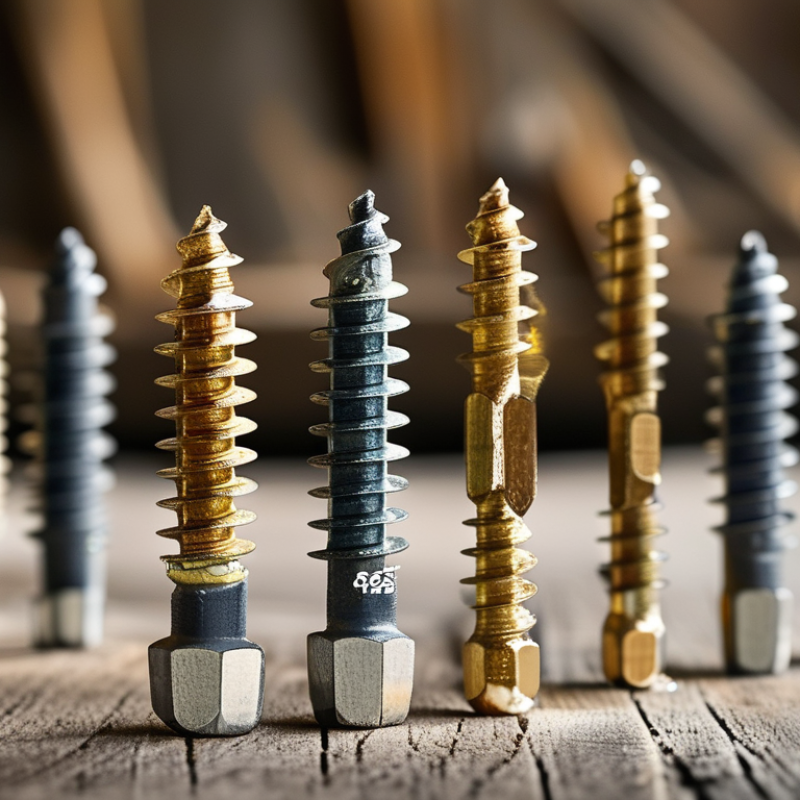
Understanding Different Types of Stainless Wood Screws Available
When selecting stainless wood screws, understanding the types available is crucial. The most common types include A2 and A4 stainless steel screws. A2 is ideal for indoor use and general construction, showing good resistance to corrosion. Meanwhile, A4 offers enhanced performance in harsher environments, such as coastal areas.
Research by the Fastener Technology Institute reveals that choosing the correct screw type can reduce maintenance costs by as much as 30%. It also highlights that corrosion resistance significantly extends the lifespan of wood joints. Notably, some screws come with specialized coatings that further enhance their durability, but these can sometimes be less environmentally friendly.
Many users overlook head styles, which can impact functionality. Common head designs include flat, pan, and bugle. Each serves a specific purpose. Flat heads, for example, countersink easily, allowing for a flush finish. It’s essential to consider these details to avoid mistakes that may compromise project integrity. Inadequate research can lead to the selection of unsuitable screws, resulting in structural weaknesses over time.
Assessing the Environment to Determine Screw Material Compatibility
Choosing the right stainless wood screw for a project hinges on understanding the environment. The surroundings can significantly impact the screw's performance and longevity. Factors such as humidity, temperature, and exposure to chemicals play a crucial role in determining which material is best suited.
For outdoor projects, consider the elements. High humidity or coastal locations often require screws with enhanced corrosion resistance. Not all stainless steel is created equal. Some grades are more susceptible to rust than others. Observing local conditions can provide insights into potential issues. Have you experienced premature failure with screws in damp areas? Reflecting on past experiences can guide future decisions.
Also, think about the type of wood used. Certain woods contain tannins and acids that may affect screw integrity. For example, using untreated screws in contact with untreated cedar can lead to rapid deterioration. Balance is key. Assessing all environmental aspects can prevent future problems. Sometimes, it’s easy to overlook these details in the excitement of a project. Taking the time to evaluate can save headaches later on.
Choosing the Right Length and Diameter for Your Project Needs
Choosing the right length and diameter for your stainless wood screw is crucial in ensuring the success of your project. The screw's length should be appropriate for the materials you are working with. For example, a screw that's too long may split the wood, while one that's too short won't provide enough hold. Aim for a minimum of one and a half times the thickness of the top piece for proper anchoring.
When it comes to diameter, consider the weight and stress the screw will face. A thicker screw offers greater strength but may require pre-drilling, which can be time-consuming. On the other hand, a thinner screw might work efficiently but could strip out under load. Think about the specific requirements of your project and the materials. It’s easy to overlook these details but doing so can lead to complications later. Pay attention to the way different woods react with screws, as some species are more prone to splitting.
Evaluating Thread Types and Their Impact on Performance
When selecting stainless wood screws, thread type plays a crucial role in performance. The choice between coarse and fine threads impacts grip strength and ease of driving. Coarse threads, with a larger pitch, are ideal for softer woods. They penetrate deeper and provide a stronger hold. According to industry reports, coarse threads increase pull-out resistance by up to 20% in pine and fir.
On the other hand, fine threads offer advantages in denser materials, reducing the risk of splitting. Their design allows for better engagement, essential in hardwood applications. Data suggests that fine-threaded screws can increase torque resistance by 15% compared to their coarse counterparts in hardwood scenarios. However, excessive use of fine threads in soft woods may lead to over-tightening, resulting in compromised structural integrity.
Choosing the wrong thread type can lead to project failures. Factors like wood species and environmental conditions can influence performance. It’s important to trial different screws in practice. While data provides useful insights, real-world applications often reveal unexpected challenges. Adjusting approach based on hands-on experience ensures better outcomes. Understanding these nuances can significantly enhance project durability and success.
Thread Types Performance Comparison for Stainless Wood Screws
Considering Coatings and Finishes for Enhanced Durability and Aesthetics
When selecting the right stainless wood screw, the choice of coatings and finishes is critical for both durability and aesthetics. Many professionals recommend using screws with coatings such as epoxy or ceramic, as they enhance corrosion resistance significantly. According to a 2021 industry report, screws with specialized coatings can outperform standard stainless options by up to 300% in harsh environments.
While visual appeal is often overlooked, the finish of a screw can influence the overall look of a project. Stainless screws come in various finishes, including polished, brushed, and passivated. A polished finish can reflect light beautifully, adding an elegant touch. However, this finish may show wear more readily than others. Conversely, a matte or brushed finish hides scratches better, making it preferable in high-traffic areas.
Many experts advise considering your environment when choosing screw finishes. For example, humidity can accelerate corrosion, especially if the wrong finish is selected. In coastal areas, using coated screws helps mitigate the effects of saltwater. Ignoring these factors can lead to costly repairs down the line. Ultimately, understanding the properties of different coatings can lead to a more successful project outcome, even if it requires more research and sometimes difficult choices.
How to Choose the Right Stainless Wood Screw for Your Project? - Considering Coatings and Finishes for Enhanced Durability and Aesthetics
| Screw Type |
Material |
Coating/Finish |
Corrosion Resistance |
Recommended Use |
| Wood Screw |
304 Stainless Steel |
None |
Moderate |
Interior Applications |
| Deck Screw |
316 Stainless Steel |
Epoxy Coating |
High |
Outdoor Use |
| Self-Tapping Screw |
410 Stainless Steel |
Zinc Coating |
Moderate |
Metal to Wood Applications |
| Lag Screw |
304 Stainless Steel |
Hot-Dip Galvanized |
Very High |
Heavy Load Applications |
| Trim Screw |
316 Stainless Steel |
Satin Finish |
High |
Visible Areas |
FAQS
: Common types include A2 for indoor use and A4 for harsher environments.
Correct screw selection can reduce maintenance costs and extend the lifespan of wood joints.
Different head styles, like flat or pan, serve specific purposes and impact project integrity.
Aim for a length that’s at least one and a half times the thickness of the top piece.
Diameter affects strength and may require pre-drilling, impacting project time and efficiency.
Coarse threads are better for softer woods, while fine threads suit denser materials better.
Yes, it can lead to project failures and weaken the structure over time.
Choose the right length and diameter, and consider the specific wood type to avoid issues.
Yes, trials help identify unexpected challenges and ensure better project outcomes.
Overlooking details like screw length, diameter, and thread type can compromise project success.
Conclusion
When selecting the right Stainless Wood Screw for your project, it's essential to understand the various types available, as each is designed for specific applications and materials. Assessing the environmental conditions where the screws will be used is crucial to ensure compatibility and durability.
Moreover, choosing the right length and diameter will enhance the screw's effectiveness and structural integrity. Thread types also play a significant role in performance, influencing how well the screw grips and holds materials together. Finally, considering different coatings and finishes can provide additional protection against corrosion while enhancing the visual appeal of your work. Overall, careful consideration of these factors will help you make informed decisions when using Stainless Wood Screws in your projects.

 Krui Hardware