Choosing the right Stainless Glass Bolt requires careful consideration. In the construction and design sector, the demand for durable and aesthetically pleasing materials is significant. According to industry reports, the market for stainless steel products is projected to grow at a CAGR of 5.2% from 2021 to 2028. This trend underscores the importance of selecting robust fasteners.
When selecting a Stainless Glass Bolt, you should consider several factors. Material quality is paramount. The bolt must resist corrosion and withstand various environmental factors. Additionally, the size and design of the bolt must match your specific application. Many professionals overlook these details, resulting in installation issues later.
It’s important to reflect on the options available in the market. Numerous manufacturers offer different grades of stainless steel. However, not all products meet stringent quality standards. Therefore, aligning your choices with trusted suppliers can enhance reliability. Ultimately, investing time in the selection process can yield superior results.
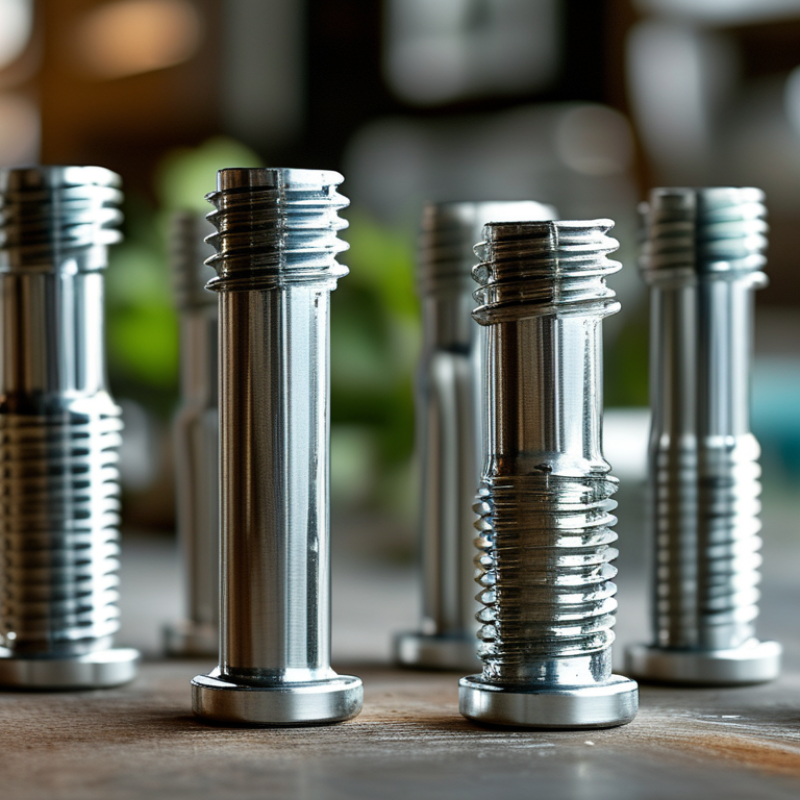
Factors to Consider When Choosing Stainless Glass Bolts
Selecting the right stainless glass bolt is crucial for both functionality and aesthetics. Various factors come into play when making this choice. One major consideration is the material grade. Stainless steel comes in different grades, such as 304 and 316. Grade 316 is generally recommended for outdoor use due to its higher corrosion resistance. A study by the American Society for Metals shows that using the appropriate grade can increase the lifespan of bolts by up to 50%.
Another important aspect is the bolt's size and thread type. Common sizes can range from M5 to M12 or more, depending on the application. If the bolt is too large, it may not fit properly. Too small, and it may not support the required load. Misfits can lead to structural weaknesses, impacting safety. According to engineering reports, nearly 20% of failures in glass applications stem from improper bolt specifications.
Additionally, finish and coating are significant. A polished or passivated surface enhances appearance and protects against damage. It's essential to consider how these finishes interact with environmental factors. For example, in coastal areas, even high-grade stainless steel can suffer from pitting if not adequately finished. Thorough research and consultation with experts can help in achieving the best results, as there isn’t a one-size-fits-all solution.
Different Types of Stainless Steel and Their Properties
When selecting a stainless steel glass bolt, understanding the various types of stainless steel is crucial. There are two main categories: austenitic and ferritic. Austenitic stainless steels, like 304 and 316, are known for their excellent corrosion resistance. They are often used in marine applications due to their durability. Ferritic types, such as 430, offer lower corrosion resistance but are more cost-effective.
Each type has distinct properties. For example, 316 stainless steel contains molybdenum, enhancing its resistance to salt and harsh chemicals. This makes it suitable for outdoor environments. On the other hand, 304 stainless steel works well in kitchen equipment and interior settings. Designers must consider their environment carefully when selecting the right type of steel.
Choosing the right stainless steel isn’t always straightforward. Often, professionals focus too heavily on cost without considering the long-term implications of corrosion or durability. Reflecting on the specific application helps in the selection process. A bolt that seems inexpensive initially can lead to costly repairs over time if not chosen wisely. Balancing budget with quality is essential for achieving the best results.
Matching Bolts to Glass Thickness and Design Requirements
When selecting stainless glass bolts, matching them to the glass thickness and design is crucial. The thickness of the glass dictates the type of bolt you need. Thicker glass may require a larger diameter bolt to ensure stability. Conversely, thinner glass will need a more delicate bolt to prevent cracks. Visualizing the finished product can help you make informed decisions.
Consider the design of your project. Sleek and modern designs may call for discreet bolts, while more robust aesthetics may allow for larger and more visible options. Always ensure the bolts complement the overall look. For instance, matte finishes can provide a softer touch against glossy glass.
Tips: Measure your glass thickness accurately. It helps in choosing the right bolt. Consult with a professional to ensure compatibility. Think about weight distribution when installing your glass. Avoid oversights that can lead to unsafe installations. Emphasizing aesthetics while ensuring functionality is key in your selection process.
How to Choose the Best Stainless Glass Bolt for Your Needs?
| Bolt Diameter (mm) |
Suitable Glass Thickness (mm) |
Load Capacity (kg) |
Design Type |
Finish Type |
| 8 |
4-6 |
50 |
Standard |
Brushed |
| 10 |
6-8 |
100 |
Heavy-Duty |
Polished |
| 12 |
8-10 |
150 |
Architectural |
Satin |
| 16 |
10-12 |
200 |
Custom |
Mirror |
Environmental Impact on Bolt Selection and Durability
When selecting a stainless steel glass bolt, environmental factors play a crucial role.
Stainless steel's resistance to corrosion is vital in harsh conditions. Yet, not all alloys perform equally. Understanding how different environments affect durability can help in making an informed choice.
High humidity or saltwater exposure can accelerate rusting in lower-quality bolts. Choose bolts with better protective coatings for coastal areas.
In contrast, dry environments usually exert less corrosive pressure. However, dust and dirt accumulation might still impede functionality over time.
Tips: Always examine the surrounding environment before choosing a bolt. Regular maintenance checks are crucial.
Cleaning the bolts helps prolong their lifespan. Remember, not every bolt is perfect. Some may fail earlier than expected, emphasizing the need for reliable options that suit specific conditions.
Select wisely to avoid future issues.
Cost Comparison and Where to Purchase Quality Stainless Glass Bolts
When selecting stainless glass bolts, pay close attention to pricing and quality. According to industry reports, quality can vary significantly by manufacturer. Prices for stainless glass bolts typically range from $1 to $10 each, depending on factors like size and grade. Some reports indicate that opting for lower-cost options may lead to increased long-term costs due to durability issues.
Purchasing from reputable sources is crucial. Quality suppliers often provide detailed specifications. Many experts recommend comparing tensile strengths, corrosion resistance, and load ratings of bolts before buying. Sometimes, a minimal price difference can reflect substantial variations in performance.
Additionally, while online platforms offer convenience, local hardware stores can also provide expert advice. Engaging with knowledgeable staff can enhance your understanding of product performance. Consider requesting certification documents for assurance. Pricing transparency is vital, but do prioritize quality and reliability in your selection process. Investing now may save you from costly replacements later.
Cost Comparison of Stainless Glass Bolts
Conclusion
When selecting the best Stainless Glass Bolt for your needs, several key factors should be taken into account. Understanding the different types of stainless steel and their properties is crucial, as this will affect the bolt’s performance and longevity. Additionally, it's essential to match the bolts with the specific glass thickness and design requirements to ensure a secure fit and optimal aesthetic appeal.
Environmental conditions, such as exposure to moisture and chemicals, can also influence the selection of stainless glass bolts, as they must withstand varying degrees of wear and corrosion. Furthermore, a cost comparison is advisable to ensure you are getting quality products without overspending. By considering these factors, you can make an informed choice that meets both functional and budgetary needs.

 Krui Hardware