Choosing the right self tapping screws is crucial in various applications, from woodworking to metalwork. Industry reports indicate that improper screw selection can lead to failures, costing businesses significantly. According to John Smith, a prominent expert in fastening technology, “Selecting the right self tapping screws can make or break the integrity of your project.” This highlights the importance of understanding the specific needs before making a choice.
Self tapping screws are designed to create their own holes in materials. Their versatility is unmatched, but not every screw fits every project. Research shows that using the incorrect type may compromise durability. As projects become more complex, knowing the characteristics of self tapping screws becomes essential. Each detail matters, and a single mistake can lead to failures, wasted time, and increased costs.
In the fast-paced world of construction and manufacturing, reliable fasteners are a necessity. When it comes to self tapping screws, ensuring you have the right material, thread type, and length is fundamental. As we delve into the ten essential tips for choosing self tapping screws, remember that the right choice enhances performance and effectiveness.
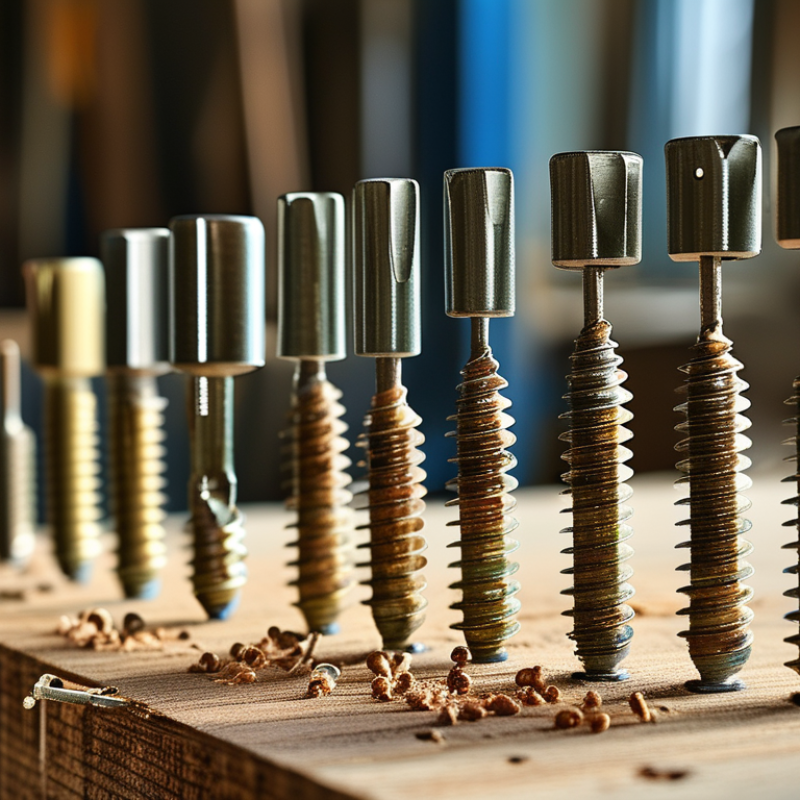
Understanding self tapping screws is crucial for any DIY project. These screws create their own threads when screwed into materials. They work best with softer materials, like wood and plastics. Knowing their function helps in selecting the right type for your task.
Choosing the right self tapping screw can be challenging. Consider the material thickness you are working with. Using a screw that is too short may lead to inadequate fastening. On the other hand, a screw that is too long can split the material. Proper pilot holes might be necessary in hard materials. Always remember, not all self tapping screws are created equal.
It's also essential to consider the environment where the screw will be used. For outdoor projects, choose screws that resist corrosion. Stainless steel screws provide good protection against rust. However, they may cost more. Budget constraints can affect your choice. Balancing quality and cost is a common dilemma. Consciously reflect on your selection during each project. Your outcomes depend on these small but significant decisions.
This chart illustrates the importance levels of various factors when choosing self tapping screws, helping you make informed decisions based on material type, screw size, thread type, and more.
Self-tapping screws are a vital component in many construction projects. They create their own threads while being driven into materials. Different types serve various applications, making it crucial to choose the right one.
Common categories include sheet metal screws, wood screws, and masonry screws. Each type is designed for specific materials. For instance, sheet metal screws work best with metal surfaces. Wood screws feature a sharp point for easy penetration into timber.
Understanding the application is essential. A mason might prefer masonry screws for concrete tasks. These screws require a pre-drilled hole for optimal performance. Conversely, a DIY hobbyist may lean towards wood screws for furniture assembly. Durability also matters. Some screws have coatings to prevent rust. However, a user might find that not all coatings hold up in humid climates. Testing a few options before settling on one could save time and resources.
In summary, recognizing the type of self-tapping screw needed and its intended use can simplify your project. Be mindful of material compatibility. After all, investing time upfront can prevent costly mistakes later on. The right choice is not always obvious, and sometimes it requires adjustments based on real-world conditions.
Choosing the right self-tapping screws is essential for a successful project. When considering size, several factors come into play. The material you plan to use determines the screw's length and diameter. Thin materials might need smaller screws, while thicker substrates require longer and thicker screws for a secure fit.
Pilot hole size is another crucial factor. A correctly sized hole prevents material splitting. It's easy to overlook this detail, which can lead to frustration during assembly. Additionally, consider the screw's thread type. Coarse threads work well for softer materials, while fine threads are better for hard surfaces. Pay attention to these elements to ensure optimal performance and durability.
Finally, always account for load-bearing requirements. Heavier loads require stronger screws, potentially leading to the need for a different size. Failing to assess this can affect the overall integrity of your structure. Careful consideration of these factors can lead to more reliable results, ultimately improving your project outcomes.
When selecting self-tapping screws, the material plays a vital role in your project’s success. Each material offers unique properties that determine its strength, corrosion resistance, and suitable applications. For instance, stainless steel screws are excellent for outdoor use due to their resistance to rust. On the other hand, carbon steel screws are strong and ideal for indoors.
Consider the environment where the screws will be used. If moisture or chemicals are present, opt for corrosion-resistant materials. Plastic screws can work in non-structural applications, providing lightweight solutions. Always aim for a material that aligns with your project requirements.
Here are some tips for choosing the right screws: examine the load requirements and ensure the screws can handle them. Check for compatibility with the material being joined. Remember, the right screw can enhance the overall durability of your project. Explore different options and learn from possible errors. Not all screws will perform perfectly every time. Being mindful of these factors ensures your project will benefit from the best material selection.
When using self-tapping screws, common mistakes can lead to frustrating outcomes. One frequent error is not pre-drilling the hole. Self-tapping screws are designed to create their own path, but sometimes, the material is too hard. In such cases, pre-drilling can prevent breakage and ensure a smoother installation. Ignoring this step can lead to stripped screws or wasted materials.
Another common pitfall is using the wrong size screw. Choosing a screw that's too long can lead to protrusions, while a screw that's too short can fail to hold the material securely. Always measure twice before selecting the screws for your project. The right length ensures a strong connection without compromising your work.
It’s tempting to drive screws quickly. However, over-tightening can damage the screw or the material. It’s important to apply steady pressure without forcing the screw. This approach avoids issues such as fractures in wooden surfaces or stripping in metal. Pay attention to your technique; it can save time and effort in the long run.
: Self-tapping screws create their own threads when driven into materials. They are used in various construction projects.
Material affects strength, corrosion resistance, and application suitability. Choosing the right material can impact your project's success.
Common materials include stainless steel, carbon steel, and plastic. Each serves different environmental conditions.
Use masonry screws for concrete tasks. They require pre-drilled holes for optimal performance and durability.
Examine load requirements and compatibility with joined materials. This ensures the screws perform well in your application.
Not all coatings withstand humid conditions. Testing different screws could help you find options that work better.
Yes, plastic screws are suitable for non-structural applications. They offer lightweight and flexible solutions when needed.
Research various options and learn from prior experiences. A thoughtful selection can prevent costly errors in projects.
Self Tapping Screws are versatile fasteners designed to create their own threaded holes as they are driven into materials. Understanding the various types of self tapping screws and their specific applications is crucial for any project. Factors such as the right size and material for the screws significantly impact both performance and durability, making careful selection essential.
When choosing self tapping screws, it is important to consider the material of the screw in relation to the substrate it will be used with, ensuring compatibility and strength. Additionally, avoiding common mistakes, such as over-tightening or using the wrong screw type, can prevent damage and ensure a strong assembly. By following these essential tips, one can effectively utilize self tapping screws for a range of applications.

Krui Hardware