How to Choose Hot Sale Carriage Bolts?

Time:2026-09-13 Author:Sienna
0%

Choosing the right Hot Sale Carriage Bolt involves more than checking its price or popularity. A reliable selection begins with the application, material, dimensions, and installation environment. The square neck must fit securely into the mating hole. It should resist turning when the nut is tightened. Measure the bolt diameter, threaded length, and total length carefully. Small errors can cause loose joints or damaged materials.

Carbon steel carriage bolts often suit timber frames, trailers, brackets, and general construction. Stainless steel versions offer better corrosion resistance in damp or coastal conditions. Zinc-plated finishes can improve surface protection, but they are not a complete solution for severe exposure. Check the product grade, coating description, thread type, and manufacturer’s test information. A professional supplier should provide drawings, tolerances, packaging details, and traceable inspection records.

Popular does not mean suitable.

Real selection work sometimes reveals an awkward issue: catalog dimensions may look correct, while the square neck does not seat fully in the actual hole. I have seen installations fail because users measured the bolt head but ignored the grip length. That mistake is easy to repeat. It is worth testing a small sample before placing a large order. Consider tightening tools, washer size, joint thickness, and expected vibration. This guide explains how to compare these details and choose a carriage bolt that performs reliably, not merely one that sells quickly. The best decision balances proven quality, practical experience, and honest verification.
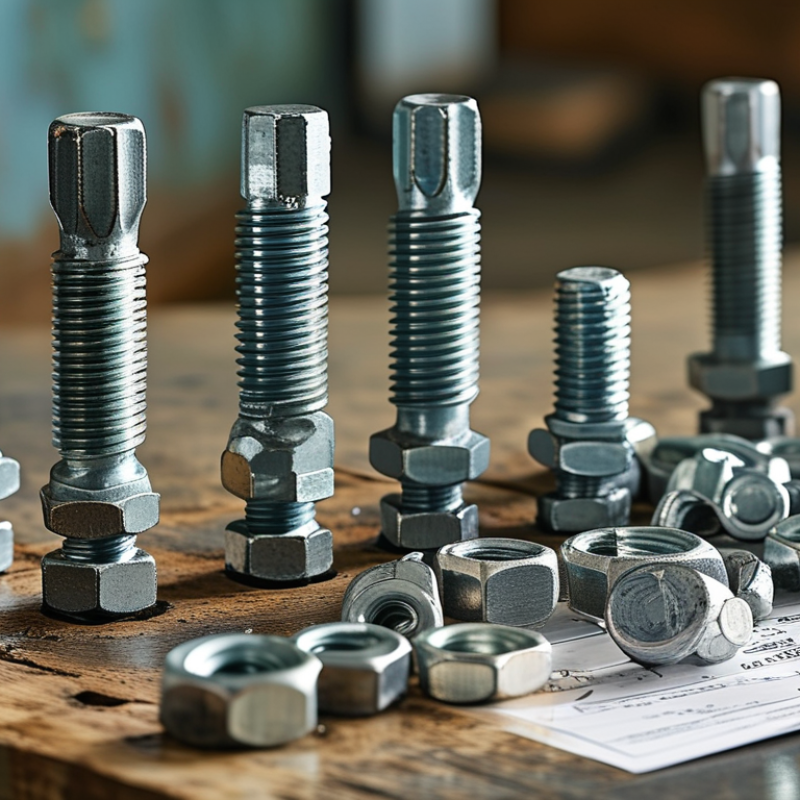
How to Choose Hot Sale Carriage Bolts?

What Are Carriage Bolts and Why Are They Popular?

How to Choose Hot Sale Carriage Bolts?

Carriage bolts have a smooth, rounded head and a square neck beneath it. The neck fits into a prepared hole and helps prevent the bolt from turning during tightening. A nut secures the bolt from the opposite side. This design is simple, but highly practical.

They are popular because the exposed head looks neat and feels safer than a sharp hex head. The rounded surface also reduces snagging on clothing, tools, or nearby materials. Carriage bolts work well for timber frames, metal brackets, garden structures, furniture, and general repair projects. Their clean appearance matters in visible assemblies. Their easy installation matters even more.

A common mistake is choosing by length alone. The bolt must match the material thickness, washer size, thread length, and expected load. I have seen bolts that fit the hole but leave too little thread for secure tightening. That small detail can weaken an otherwise careful assembly. The square neck also needs proper engagement; oversized holes may let it spin.

Tips: Check the bolt diameter with a caliper, then measure the complete grip thickness. Choose corrosion-resistant finishes for damp locations. Confirm the material grade for structural work. Do not force a spinning bolt with excessive torque. Recheck the joint after initial use, because wood can compress and loosen the nut. The best choice is not always the cheapest one.

How to Match Bolt Size, Material, and Strength to Your Project

How to Choose Hot Sale Carriage Bolts?

Choosing a popular carriage bolt should begin with the project, not the sales chart. Measure the joint thickness, hole diameter, and available clearance before ordering. The bolt must pass through every layer, while leaving enough thread for the nut. A square shoulder should seat firmly inside the material. If it spins during tightening, the fit is probably wrong.

Match the diameter to the expected load and the material around the hole. Small bolts suit light timber panels and indoor fixtures. Larger diameters provide better resistance for frames, benches, and structural assemblies. Do not judge strength by diameter alone. Check the bolt’s grade, tensile rating, and shear capacity. A high-strength bolt can still damage soft wood. Use a washer when the surface may compress.

Material choice depends on moisture, chemicals, and maintenance conditions. Zinc-plated steel works well in many dry indoor applications. Stainless steel is a better option near salt air or frequent washing. Galvanized steel can support demanding outdoor use, but coating damage may reduce protection. Match the nut and washer material carefully. Mixed metals can create corrosion problems. I once selected a strong bolt without checking the wood density. The joint held, but the shoulder crushed the surface. That mistake changed my inspection routine. Measure twice. Then test one assembly before buying in bulk.

Which Head Styles, Threads, and Finishes Should You Choose?

How to Choose Hot Sale Carriage Bolts?

Which Head Styles, Threads, and Finishes Should You Choose?

Choosing a popular carriage bolt starts with the joint, not the product label. A domed round head suits visible wood frames and outdoor benches. Its square neck bites into timber and helps prevent spinning during tightening. For metal brackets, a shallow head may fit better under narrow edges. Measure the hole carefully. A loose neck can rotate, while an overly tight hole may damage the material.

Thread selection depends on the assembly and its service conditions. Coarse threads usually grip wood and softer materials effectively. Fine threads can provide more adjustment on steel components. Match the bolt diameter, length, nut, and washer as one system. Leave enough thread for full nut engagement, but avoid excessive length beneath the joint. I once chose a bolt by length alone. It worked, but the exposed end looked careless and caught dirt.

Tips: Keep galvanized or zinc-coated finishes for general moisture exposure. Choose stainless steel when appearance and corrosion resistance matter more. Black finishes can suit indoor hardware, but they may need extra protection outdoors. Check coating quality around the square neck and thread tips. Small defects often appear there first. Also inspect the mating nut before installation. A smooth, consistent fit is more reliable than a tight feeling caused by damaged threads. When uncertain, test one bolt in the actual material before ordering a larger quantity.

How to Evaluate Quality, Compatibility, and Supplier Reliability

How to Choose Hot Sale Carriage Bolts?

How to Evaluate Quality, Compatibility, and Supplier Reliability

A popular carriage bolt is not automatically a dependable one. Quality should be checked through measurable details, not attractive packaging or low pricing. Inspect the head for cracks, uneven edges, and damaged corners. The square neck should remain sharp and stable after installation. Threads must be clean, consistent, and free from visible burrs. Ask for material certificates, mechanical test reports, and batch traceability. Hardness and tensile results should match the specified grade. Ask for evidence.

Compatibility begins with accurate measurements. Confirm the bolt diameter, length under the head, thread pitch, and thread length. Check whether the square neck fits the mating hole without excessive movement. Consider the base material, tightening method, load direction, and exposure to moisture. Zinc-coated bolts may suit indoor or mildly damp areas, while harsher environments require suitable corrosion protection. A small mismatch can cause loosening or installation delays. Fit matters more.

Supplier reliability requires more than quick replies. Review production capacity, inspection procedures, packaging methods, and delivery records. A dependable supplier should provide clear drawings and consistent documentation. Request samples from the intended production process, not only showroom pieces. A polished sample can still mislead. Compare several batches when possible. Also examine how the supplier handles defects, revised specifications, and urgent changes. Perfect communication is rare, so record every decision and question unclear claims before placing a large order.

How to Compare Prices and Select the Best Carriage Bolts Wisely

How to Choose Hot Sale Carriage Bolts?

Price comparison starts with a common specification, not the cheapest quotation. Record diameter, length, thread type, material, strength class, coating, and package quantity. A low unit price can hide weak steel, short threads, or expensive freight. Grand View Research estimated the global fasteners market above USD 80 billion in 2023, showing strong demand but also intense price competition. Buyers should treat market estimates as direction, not proof of product quality. Check mechanical properties against ISO 898-1 or applicable ASTM requirements. Request mill certificates, dimensional inspection records, and salt-spray results for coated bolts. These documents improve reliability. They also expose missing details.

Tips: Convert every quotation into a landed cost. Include tooling, sampling, testing, packaging, duty, and transport. Compare identical quantities and delivery terms. A quote for 10,000 pieces is not comparable with a quote for 500 pieces. The U.S. Bureau of Labor Statistics Producer Price Index can help track fabricated-metal cost movements. Use it as a reference, not a final buying rule. Ask whether the square neck fits your timber or sheet assembly. Measure it. Small differences can cause installation failures. I would also review the supplier’s corrective-action history. It may feel slower, but repeated defects cost more than a careful first purchase. Fancy packaging rarely improves bolt performance. Insist on evidence.

Compare carriage bolts by material, standard diameter, and indicative bulk price. Stainless steel bolts generally cost more than zinc-plated and plain steel options, while larger diameters require more material and usually have a higher price per 100 pieces. Always confirm grade, thread length, coating, packaging quantity, and supplier terms before purchasing.

FAQS

How should I choose the correct carriage bolt size?

Measure the joint thickness, hole diameter, and available clearance. The bolt must pass through every layer. Leave enough thread for the nut.

How much thread should remain after installation?

Keep sufficient thread engaged beyond the nut for a secure connection. Too little thread creates doubt. Check the fit before tightening fully.

Does a larger diameter always mean greater strength?

No. Strength also depends on grade, tensile rating, shear capacity, and surrounding material. A large bolt can still crush soft wood.

When should I use a washer?

Use a washer when the surface may compress or deform. It spreads the clamping force across a wider area. This matters on soft timber.

Which bolt material suits outdoor or wet conditions?

Coated steel may suit many outdoor applications when its coating remains intact. Stainless material works better near salt air or frequent washing. Inspect damaged coatings.

Can different nut, washer, and bolt materials create problems?

Yes. Mixed metals may encourage corrosion in damp environments. Match the materials carefully, especially near moisture and chemicals.

What information should I compare between quotations?

Compare diameter, length, thread type, material, strength class, coating, quantity, and delivery terms. A cheap unit price may hide weak steel or costly freight.

How can I test carriage bolts before buying in bulk?

Build one sample assembly and check the shoulder, hole fit, tightening, and surface damage. Measure twice. Then test.

What documents can help confirm bolt quality?

Request material certificates, dimensional inspection records, and coating test results. These records reveal missing details. They do not replace physical inspection.

What mistake should buyers avoid during selection?

Do not choose only by sales popularity or price. I once ignored wood density, and the shoulder crushed the surface. That changed my inspection routine.

Conclusion

Choosing the right Hot Sale Carriage Bolt requires more than comparing prices. These fasteners are popular because their rounded heads provide a clean appearance and their square necks help prevent spinning during installation. To select the best option, first match the bolt’s diameter and length to the materials and load requirements of your project. Consider carbon steel, stainless steel, or other suitable materials based on strength, corrosion resistance, and working conditions.

Head style, thread type, and surface finish also affect performance, installation, and appearance. Before purchasing, verify dimensions, thread compatibility, strength ratings, manufacturing consistency, and packaging quality. A reliable supplier should provide clear specifications, stable production standards, responsive service, and dependable delivery. Finally, compare the total value rather than focusing only on the lowest unit price. Include material quality, expected service life, order quantity, shipping, and after-sales support in your evaluation. With these factors in mind, you can choose carriage bolts that offer secure fastening, practical performance, and long-term value.

Sienna

Sienna

Sienna is a skilled marketing professional with a deep expertise in our company’s core products and services. With a passion for innovation and detail, she plays a pivotal role in crafting insightful blog posts that not only highlight the unique features of our offerings but also provide valuable......