Choosing the right Pan Head Machine Screw manufacturer requires more than comparing catalog prices. Thread accuracy, head dimensions, surface finish, and delivery consistency can affect an entire assembly line. This guide introduces China’s top 10 Pan Head Machine Screw manufacturers through practical evaluation criteria, including production experience, material control, machining capacity, inspection systems, and export reliability. It considers manufacturers serving electronics, machinery, automotive components, furniture hardware, and general industrial applications. Common materials may include carbon steel, stainless steel, and alloy steel, with finishes such as zinc plating or black oxide.
Details matter here.
The selection process should examine drawings, samples, tolerance records, packaging methods, and quality certificates. A dependable supplier should explain how it checks thread gauges, torque performance, coating thickness, and dimensional accuracy. Factory communication also matters, especially when custom lengths, drive types, or non-standard threads are required. However, no ranking can represent every buyer’s priorities perfectly. A high-volume producer may not suit a small custom order, while a smaller factory may offer closer technical support but limited capacity. This guide therefore treats “top” as a practical reference, not an absolute judgment. Buyers should request current samples, verify production claims, and review inspection evidence before placing substantial orders. That step is easy to overlook. It can prevent mismatched screws, delayed assembly, and unnecessary rework. Real purchasing decisions also depend on budget, lead time, compliance needs, and long-term communication. Certain information may change over time, so independent verification remains essential.
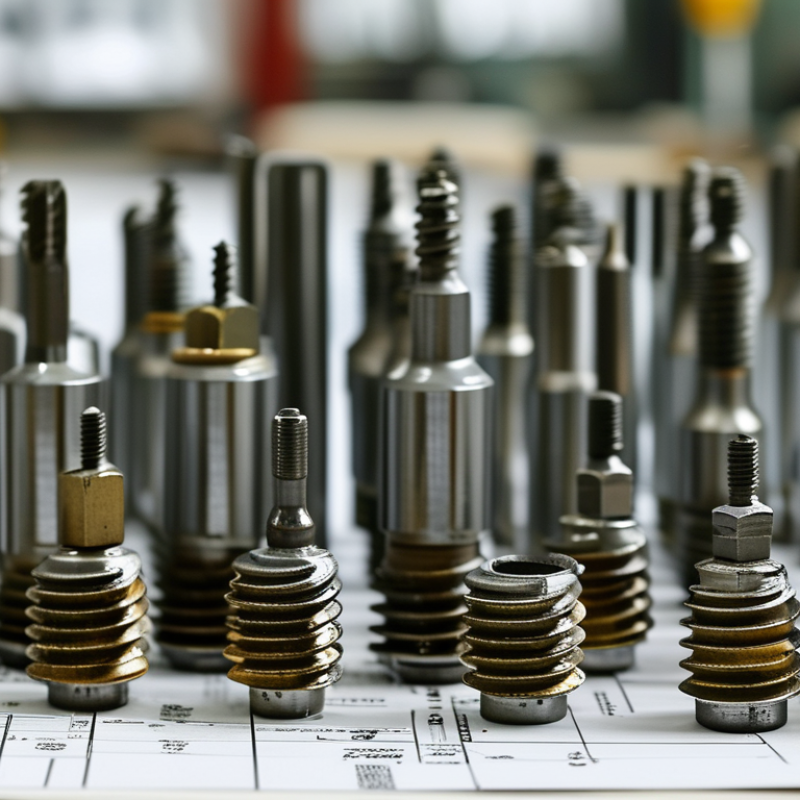
Pan head machine screws have a rounded, low-profile head with a flat underside. This shape spreads clamping pressure across the joint while keeping the surface visually clean. Their machine threads require a tapped hole or a matching nut. Common drives include Phillips, slotted, and hexalobular designs. Steel, stainless steel, and coated alloys serve different strength and corrosion needs.
ISO 7045 provides dimensional guidance for cross-recessed pan head screws. Designers should check thread pitch, head diameter, drive depth, and required engagement length. Grand View Research estimated the global industrial fasteners market at about USD 84.9 billion in 2023. However, that figure covers many fastener categories, not pan head screws alone. Treating broad market data as a product-specific forecast would be careless. In practical assembly inspections, drive damage and incorrect torque appear often. A neat head does not guarantee a reliable joint.
Tips: Match the screw to the tapped material. Use stainless steel near moisture, but check galvanic compatibility. Keep thread engagement close to the design requirement. A longer screw is not automatically safer. Select the drive carefully for repeated maintenance, especially where access is limited. Small details matter.
China’s top 10 pan head machine screw manufacturers should be judged by standards, not catalog size. ASME B18.6.3 defines dimensional requirements for machine screws, including head geometry, drive features, and thread proportions. These details affect tool engagement and visible surface quality. A shallow, uneven pan head can cause driver slippage during assembly. Small defects matter.
Material selection must match load, environment, and finishing needs. ISO 898-1 specifies mechanical properties for carbon and alloy steel fasteners, including tensile strength and hardness classes. For corrosion-resistant options, ISO 3506 covers stainless steel fasteners and their mechanical properties. The World Steel Association reported approximately 1.88 billion tonnes of crude steel production in 2024, showing the scale of the supply chain, but volume alone does not prove consistency. Mill certificates, heat-lot tracking, and independent testing remain essential.
Manufacturing requirements should include controlled cold heading, accurate thread rolling, and inspection after plating. Sampling plans can follow ISO 2859-1, while torque testing should reflect the actual joint design. A reliable factory should verify thread gauges, head diameter, coating thickness, and salt-spray performance. Test records should identify the material lot and production date. I would not accept only a polished sample. Production parts can behave differently. That is the uncomfortable gap. Buyers should also review tool maintenance, furnace control, and corrective-action records before ranking suppliers among China’s top 10 manufacturers.
China’s pan head machine screw industry is supported by a dense supply chain. Steel wire rod enters factories, where cold heading forms the rounded head and drive recess. Thread rolling then creates accurate, durable threads without cutting away the grain structure. Many production clusters also provide heat treatment, surface finishing, sorting, and packaging within short transport distances.
A dependable supply chain needs more than low prices. Buyers should check material certificates, dimensional reports, coating thickness, torque results, and batch traceability. On a production line, a small diameter error can stop an automated feeder. Mixed lots create bigger problems. Factory audits should review storage conditions, gauge calibration, process records, and inspection frequency. The weak point is often communication. Drawings may use different tolerances, and translations can cause quiet mistakes.
Tips: Request samples from the actual production line. Confirm thread standards before ordering. Ask how rejected screws are separated. Use independent testing for critical applications. Delivery planning should include steel availability, finishing capacity, inland transport, and port schedules. A practical buffer helps during seasonal demand, although excessive stock ties up cash. Suppliers may promise perfect consistency, but real factories still face tool wear and occasional variation. Regular feedback, clear specifications, and documented corrective actions make the relationship more reliable.
China Top 10 Pan Head Machine Screw Manufacturers
Profiles of China’s Top 10 Pan Head Machine Screw Manufacturers
China’s leading pan head machine screw manufacturers serve different purchasing needs. One focuses on cold heading for stable, high-volume production. Another specializes in stainless steel screws for humid equipment rooms. A third supplies zinc-plated carbon steel screws for general assembly. Its finish looks clean, but buyers should verify coating thickness.
A fourth manufacturer uses automated optical inspection to detect damaged threads and uneven heads. A fifth accepts custom drawings, including unusual lengths and drive styles. A sixth supports export orders with labeled cartons and moisture-resistant packaging. A seventh handles small batches, which benefits product testing. Lead times may fluctuate, though. An eighth focuses on large industrial orders and maintains dedicated forming lines. A ninth operates an internal laboratory for hardness, dimensions, and torque checks. A tenth offers several surface treatments and helps match finishes to working conditions.
These profiles show why supplier evaluation needs more than a polished catalog. Experienced buyers should request material certificates, thread-gauge records, inspection reports, and production samples. A sample screw should seat smoothly without excessive wobble. The head must remain flat after tightening. Small details matter.
Factory audits can reveal storage problems, mixed materials, or inconsistent labeling. ISO-based procedures are useful, but certificates alone prove little. Ask how rejected parts are controlled. Ask who approves process changes. No manufacturer is flawless; even reliable factories can miss a batch during busy periods. Careful communication, measurable specifications, and repeat testing reduce that risk.
| Rank | Anonymous Manufacturer Profile | Primary Production Region | Main Product Standards | Common Materials | Typical Size Range | Surface Finishes | Quality and Compliance Focus | Typical Applications |
|---|---|---|---|---|---|---|---|---|
| 1 | Profile A – High-volume cold-heading specialist | Zhejiang | ISO metric, DIN, and ASME/ANSI | Carbon steel, stainless steel, alloy steel | M2–M10; approximately 4–100 mm length | Zinc plating, black oxide, nickel plating, plain | Dimensional inspection, thread gauges, tensile testing, batch traceability | Consumer electronics, appliances, light machinery |
| 2 | Profile B – Stainless steel fastener manufacturer | Jiangsu | ISO 4762-related systems, DIN, and JIS | 304 and 316 stainless steel, carbon steel | M2–M8; approximately 5–80 mm length | Passivated, electropolished, plain, zinc plated | Corrosion testing, material certificates, salt-spray evaluation | Marine equipment, medical devices, food-processing machinery |
| 3 | Profile C – Electronics and precision screw supplier | Guangdong | Metric, JIS, and electronic assembly specifications | Stainless steel, low-carbon steel, brass | M1–M6; approximately 2–50 mm length | Nickel, zinc, black nickel, passivated | Optical inspection, torque testing, burr control, RoHS-oriented material control | PCB assemblies, computers, telecommunications equipment |
| 4 | Profile D – Automotive-grade fastener producer | Shanghai and surrounding Yangtze River Delta | ISO metric, DIN, and automotive customer specifications | High-strength carbon steel, alloy steel, stainless steel | M3–M10; approximately 6–100 mm length | Zinc flake, zinc plating, black oxide, phosphate | Process control plans, hardness testing, torque-tension testing, PPAP support | Automotive interiors, electrical systems, machinery |
| 5 | Profile E – Custom cold-forging and non-standard parts supplier | Ningbo, Zhejiang | DIN, ISO, ANSI, JIS, and customer drawings | Carbon steel, stainless steel, copper alloys, alloy steel | M2–M12; approximately 4–120 mm length | Zinc, nickel, trivalent chromium, black oxide, custom coatings | Drawing review, first-article inspection, gauge control, sampling inspection | Industrial equipment, hardware assemblies, electrical products |
| 6 | Profile F – High-strength machinery fastener supplier | Jiangsu and Zhejiang | ISO 898-1-related property classes, DIN, and ANSI | Grade 8.8 and 10.9 carbon or alloy steel, stainless steel | M3–M12; approximately 6–150 mm length | Black oxide, zinc plating, phosphate, plain | Hardness, proof-load, tensile-strength, and thread-accuracy testing | Industrial machinery, pumps, motors, metal fabrication |
| 7 | Profile G – Export-oriented standard fastener manufacturer | Zhejiang | DIN, ISO, ANSI/ASME, and JIS | Carbon steel, stainless steel, alloy steel | M2–M12 and selected inch sizes | Zinc plated, black, nickel plated, plain | Pre-shipment inspection, packaging control, lot identification, export documentation | Wholesale distribution, furniture hardware, general engineering |
| 8 | Profile H – Small-diameter precision fastener producer | Dongguan, Guangdong | Metric, JIS, ISO, and custom precision specifications | Stainless steel, carbon steel, brass, aluminum | M1–M5; approximately 1.5–40 mm length | Nickel, zinc, black oxide, passivated, plain | Automatic sorting, optical measurement, head-diameter and drive-depth control | Cameras, sensors, wearable devices, precision instruments |
| 9 | Profile I – Corrosion-resistant industrial screw supplier | Fujian and Guangdong | ISO, DIN, ASTM, and customer engineering standards | 304/316 stainless steel, duplex stainless steel, carbon steel | M3–M10; approximately 5–100 mm length | Passivated, electropolished, plain, protective coatings | Salt-spray testing, chemical-resistance review, PMI and material certification | Outdoor equipment, water treatment, renewable-energy systems |
| 10 | Profile J – Integrated screw manufacturing and finishing supplier | Hebei | ISO, DIN, ANSI/ASME, and customer drawings | Carbon steel, alloy steel, stainless steel | M3–M16; approximately 6–180 mm length | Zinc plating, hot-dip or mechanical zinc options, black oxide, phosphate | Incoming-material inspection, coating-thickness testing, dimensional reports, final inspection | Construction hardware, agricultural machinery, general industrial assembly |
Choosing from China’s top 10 pan head machine screw manufacturers requires more than comparing prices. Check whether the supplier understands your drawing, thread standard, material grade, and surface finish. A dependable manufacturer should provide clear inspection records, not vague promises. Ask for material certificates, dimensional reports, and coating test results. Thread gauges, calipers, and torque testing should appear in the quality process.
Visit the factory when possible, or request a live video audit. Look for organized storage, labeled steel coils, calibrated equipment, and traceable batch numbers. Confirm whether production and inspection are handled by trained staff. ISO 9001 certification can support confidence, but it should not replace direct evidence. Certificates may be valid, yet daily controls can still be weak. That detail is easy to miss.
Order samples before signing a large contract. Measure head diameter, head height, thread length, and drive depth against your drawing. Test assembly with the matching nut or threaded hole. Examine plating for uneven color, blisters, or exposed edges. Communication also matters. A reliable supplier should answer technical questions clearly and report problems early. Allow time for corrective samples. One rushed approval can create thousands of unsuitable screws. In my view, the strongest evaluation combines factory evidence, independent testing, and careful written communication. Price matters, but stable quality prevents expensive rework.
: Steel wire rod is cold-headed into a rounded head and drive recess. Thread rolling forms accurate threads while preserving the metal grain structure. Heat treatment, finishing, sorting, and packaging may occur nearby. Price is not enough.
Request material certificates, dimensional reports, coating thickness results, and torque test records. Batch traceability should connect finished screws with production records. Ask for inspection frequency and rejection procedures. Vague promises are not evidence.
Check labeled steel storage, gauge calibration, process records, and inspection areas. Look for trained workers and clearly separated rejected screws. Confirm that batch numbers remain visible during packaging. That detail matters.
Yes, request samples from the actual production line. Measure head diameter, head height, thread length, and drive depth. Test assembly with the matching nut or threaded hole. One rushed approval can create thousands of unsuitable screws.
Examine plating for uneven color, blisters, scratches, and exposed edges. Request coating thickness results from the relevant batch. Visual checks help, but independent testing is safer for critical applications. Expect some variation.
Confirm the thread standard before production begins. Drawings may use different tolerances or unclear translations. A small diameter error can stop an automated feeder. Written specifications reduce quiet mistakes.
The supplier should answer technical questions clearly and report problems early. Ask for corrective samples after any defect or specification change. Certification can support confidence, but daily process evidence matters more. I would not treat certification as proof.
Check steel availability, finishing capacity, inland transport, and port schedules. Keep a practical buffer for seasonal demand or delayed processing. Excessive stock ties up cash and may hide quality problems. Even careful planning can miss a delay.
This article provides a practical overview of the China Pan Head Machine Screw manufacturing sector. It begins by explaining the structure, rounded head design, drive types, and common applications of the Pan Head Machine Screw in machinery, electronics, construction equipment, and general assembly. It also reviews important standards, material options, surface treatments, dimensional tolerances, thread accuracy, and quality-control requirements that influence product performance and service life.
The article then explores China’s extensive production capabilities, supporting supply chains, manufacturing processes, and export advantages before presenting profiles of ten leading manufacturers without focusing on brand promotion. Finally, it offers a clear framework for evaluating and selecting a reliable supplier, including production capacity, technical expertise, inspection systems, customization capability, certifications, communication, lead times, and total purchasing cost. This guide is designed to help international buyers compare potential partners and make informed sourcing decisions based on consistent quality, dependable delivery, and long-term cooperation.

Krui Hardware