Top 10 Stainless Furniture Bolt Types for Global Buyers

Time:2026-11-02 Author:Sienna
0%

Choosing the right Stainless Furniture Bolt can affect assembly speed, joint stability, and the finish customers see. A bolt that looks suitable may still have the wrong thread, head profile, or length. Small differences matter.

This guide introduces ten common bolt types used in furniture, from carriage and hex bolts to socket-head and barrel-bolt connections. Each design serves a different purpose. Some provide a clean, low-profile surface; others make tightening easier in confined spaces. The best choice depends on the joint, material thickness, access for tools, and expected load—not appearance alone.

Stainless steel can help resist corrosion, but the label is not a complete specification. Buyers should check the stated grade, dimensions, thread standard, and manufacturer’s documentation. Grades such as 304 and 316 are common, yet neither guarantees suitability for every indoor or outdoor setting. Coastal humidity, cleaning chemicals, and contact with other metals can change performance. Details count.

For international sourcing, confirm whether measurements are metric or imperial, and ask suppliers to identify tolerances and test methods. A sample assembly can reveal problems that a drawing misses, such as a head that catches on a panel or a bolt that bottoms out before the joint tightens. This step takes time. It may prevent rework.

The comparisons ahead are practical, not universal rules. Furniture designs vary, and a familiar bolt is not automatically the right one. Use the ten types as a starting point, then verify fit and performance for the actual product.
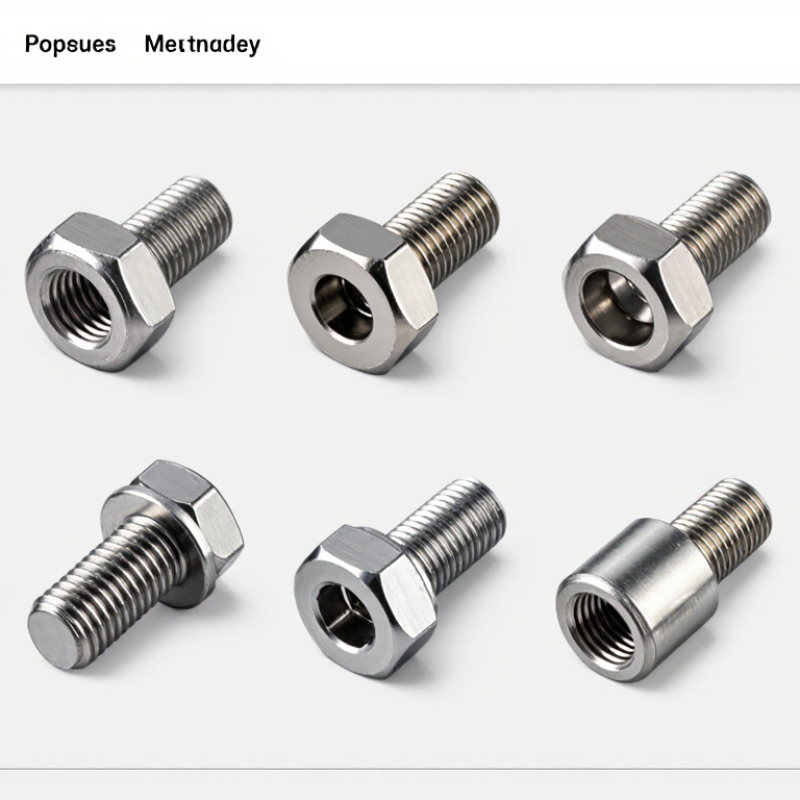
Top 10 Stainless Furniture Bolt Types for Global Buyers

What Stainless Furniture Bolts Are and Where They Are Used

Stainless furniture bolts are threaded fasteners used to join frames, legs, brackets, and hardware. Common forms include hex bolts, carriage bolts, socket-head bolts, and machine screws. Their stainless-steel construction helps resist rust in damp rooms, outdoor seating, and food-service settings. They are not corrosion-proof in every environment. Salt, cleaning chemicals, and trapped moisture can still cause staining or damage.

The World Stainless Association’s Stainless Steel in Figures 2024 reports global crude stainless-steel production of 58.4 million tonnes in 2023. This shows the material’s broad industrial use, though it does not measure furniture-bolt sales. In practice, selecting a bolt means matching its diameter, length, head style, and steel grade to the joint. A patio chair may need different corrosion resistance from a dry indoor cabinet. A mismatched length can protrude, while an undersized bolt may loosen under repeated movement.

Tips: Check the furniture maker’s specifications where available. Match bolt length to the joined parts, and avoid overtightening, which can damage threads or soft wood. For outdoor furniture, inspect joints after wet seasons. Small details matter. A bolt that fits neatly today may still need periodic checking.

How Stainless Steel Grades Affect Bolt Performance

For furniture bolts, stainless steel grade affects more than appearance. It influences corrosion resistance, strength, and how reliably threads hold during assembly. Grade 304 is commonly chosen for indoor furniture and many sheltered settings. It handles everyday moisture well, but salt spray or frequent cleaning can expose its limits. Grade 316 contains molybdenum, which improves resistance to chloride-rich environments. That can matter for coastal patios or furniture near pools. The extra resistance may be unnecessary indoors.

Strength deserves equal attention. A stainless bolt is not automatically stronger than a carbon-steel bolt of similar size. Buyers should check the specified property class, dimensions, and supplier documentation rather than relying on the word “stainless.” Grade 430 is magnetic and can suit some dry indoor applications, but it generally offers less corrosion resistance than 304. Small differences matter.

Assembly can be the weak point. Stainless threads may gall when bolts are driven quickly or tightened dry, especially in repeated production runs. Use controlled torque and suitable assembly practices; test the actual fastener and joint before ordering in volume. I have seen specifications focus on grade while overlooking washer fit and thread engagement. That is easy to miss. Check the intended environment, cleaning routine, and load before selecting a grade.

The Top 10 Stainless Furniture Bolt Types and Their Uses

Top 10 Stainless Furniture Bolt Types and Their Uses

Stainless furniture bolts serve different jobs, even when their dimensions look similar.

Hex-head bolts

suit sturdy frames and brackets where a wrench can reach the head.

Carriage bolts

have rounded heads and square shoulders that resist turning in wood.

Socket-head cap bolts

fit tight spaces, while countersunk bolts sit nearly flush with a tabletop or panel.

Flange bolts

spread pressure across a wider area, which can help secure thin brackets.

Shoulder bolts

provide a smooth section for pivots, sliding parts, or rotating fittings.

Hanger bolts

combine wood threads on one end with machine threads on the other, useful for attaching legs to wooden furniture.

Lag bolts

anchor heavier pieces into solid timber.

Sex bolts, also called barrel bolts

join panels from both sides with a neat, removable connection.

T-bolts

slide into compatible slots, such as those in modular frames.

Fit comes first.

Choose the head style, thread, length, and stainless grade for the materials and conditions involved. A bolt that is too long may protrude; one that is too short can leave little thread engagement. Stainless fasteners can also gall if tightened aggressively, especially in metal-to-metal joints.

Small detail, big effect.

I have seen a tidy assembly become awkward because a driver could not reach one recessed head. Check access before choosing, not after the parts are cut.

How to Choose the Right Bolt for Furniture Assembly

Choosing a furniture bolt starts with the joint, not the finish. For a flat-pack chair, a socket-head bolt may fit neatly into a recessed fitting; a carriage bolt can work well where a smooth, exposed head is preferred. Match the head shape to the clearance around the joint. Fit matters.

Check the material and load. Wood joints often need coarse threads and enough length to grip without breaking through the far side. Metal frames usually require a matching thread size and pitch. Measure the existing hole, then confirm the bolt diameter and length. A washer can spread pressure on soft wood or thin metal. For damp rooms or outdoor furniture, stainless steel can help resist corrosion; grade 304 suits many general settings, while grade 316 is often chosen for more corrosive exposure.

Tighten gradually and keep the bolt straight. Too much force can crush wood fibers, damage threads, or make stainless threads seize. A hand tool gives better feedback than a high-powered driver. Check the joint. If it still shifts, the bolt may be too long, too short, or paired with the wrong fitting. That part is not always obvious. Recheck the measurements before ordering a large batch, since small differences in thread pitch can prevent a secure fit.

Top 10 Stainless Furniture Bolt Types for Global Buyers — How to Choose the Right Bolt for Furniture Assembly

How to read this chart: Bars show a representative metric thread diameter commonly used in furniture assembly—not a universal size for each bolt type. Confirm the required diameter, length, head style, material grade, and matching hardware against your design and load requirements before purchasing.

What Global Buyers Should Check Before Ordering Lasanble

Before ordering stainless furniture bolts, verify the full specification—not just the alloy label. ISO 3506-1 defines mechanical properties for corrosion-resistant stainless-steel fasteners, but the required grade depends on the environment and load. Ask for the grade, property class, dimensions, thread pitch, head style, and applicable test documents. Check samples against the furniture’s actual holes and fittings; a bolt that is slightly too long can protrude or interfere with assembly.

Consider moisture, cleaning chemicals, and contact with other metals. Grade 304 suits many indoor settings, while 316 is often chosen for more demanding exposure; neither is immune to corrosion in every condition. AMPP’s 2016 IMPACT study estimated corrosion costs at US$2.5 trillion globally, or 3.4% of world GDP. That figure covers many industries, not furniture fasteners, but it shows why material selection deserves attention. Small details matter.

Request material test certificates and confirm that markings match the purchase specification. The World Stainless Association reported 58.4 million tonnes of stainless-steel production in 2023; broad availability does not guarantee consistent bolt quality. Specify packaging that keeps threads clean and dry during shipment, and clarify acceptable substitutions in writing. I still find one point easy to miss: buyers may approve a sample without checking the production batch. Ask how batch traceability works, and inspect a few delivered bolts before assembly.

FAQS

What are stainless furniture bolts used for?

They join furniture frames, legs, brackets, and hardware. Common examples include patio chairs and cabinet frames.

Are stainless furniture bolts completely rustproof?

No. Salt, cleaning chemicals, and trapped moisture can still cause staining or damage. Damp conditions deserve regular checks.

How do I choose the right bolt length?

Match the length to the parts being joined. A bolt that is too long may stick out; one that is too short may not engage enough threads.

Which bolt types work well with wooden furniture?

Carriage bolts resist turning in wood. Hanger bolts can attach legs, while lag bolts anchor heavier parts into solid timber. Fit comes first.

When should I use a countersunk or socket-head bolt?

Countersunk bolts sit nearly flush with a panel or tabletop. Socket-head bolts can fit tight spaces, but check that your tool can reach the head.

Can stainless bolts loosen or become damaged during installation?

Yes. Overtightening can damage threads or soft wood. Aggressive tightening may also cause galling in metal-to-metal joints. Easy to overlook.

How should I choose a bolt for outdoor furniture?

Match the bolt’s grade, length, and head style to the materials and exposure. Inspect joints after wet seasons; a quick glance may miss hidden moisture.

What details should I check before assembling furniture?

Review the maker’s specifications when available. Check diameter, thread, length, and tool access before cutting or joining parts. I would check twice.

Conclusion

A Stainless Furniture Bolt is a fastener designed to join furniture components securely, from indoor cabinets and chairs to outdoor tables and seating. Its performance depends on both its design and stainless steel grade: differences in corrosion resistance, strength, and suitability for damp or exposed environments can affect durability. Common options include bolts with different head shapes, drive styles, thread forms, and fastening arrangements, each suited to particular materials, access conditions, and assembly needs.

Choosing among the top furniture bolt types means matching the bolt to the furniture’s design, load requirements, material thickness, installation tools, and intended environment. Buyers should also check dimensions, thread specifications, finish, grade documentation, packaging, and consistency across samples and production orders. Clear specifications and careful supplier communication can help prevent fit problems, simplify assembly, and ensure the selected bolts meet the project’s practical requirements.


Sienna

Sienna

Sienna is a skilled marketing professional with a deep expertise in our company’s core products and services. With a passion for innovation and detail, she plays a pivotal role in crafting insightful blog posts that not only highlight the unique features of our offerings but also provide valuable......