An Anti Thief Machine Screw is a specialized fastener designed to discourage unauthorized removal. It resembles a standard machine screw, but its drive pattern requires a matching tool. Common designs include pin hex, one-way, tri-wing, and security Torx heads. These screws are used where equipment, panels, signs, and public fixtures need controlled access.
In practical installations, the screw’s value depends on more than its unusual head. Thread size, pitch, material, length, and corrosion resistance must match the application. A stainless steel screw may suit an outdoor information panel, while a zinc-plated steel option may work better inside protected machinery. The wrong length can damage internal parts or leave the joint weak. Small details matter.
It is not theft-proof. A determined person with proper equipment may still remove it. Its purpose is to slow casual tampering and support responsible maintenance procedures. Experienced technicians usually record the drive type and keep compatible bits in a controlled tool kit. Manufacturers should provide accurate dimensions, torque guidance, and material information. Buyers should verify these details before ordering.
The term can sound absolute. It is not.
A reliable specification also considers vibration, temperature, moisture, and repeated servicing. For example, a security screw exposed to rain may need a suitable washer or protective coating. Installation quality remains important, because over-tightening can damage the head or threads. This guide explains how an Anti Thief Machine Screw works, where it fits, and what users should examine before selecting one. Some applications still require a broader security plan. A screw alone cannot solve every access problem.
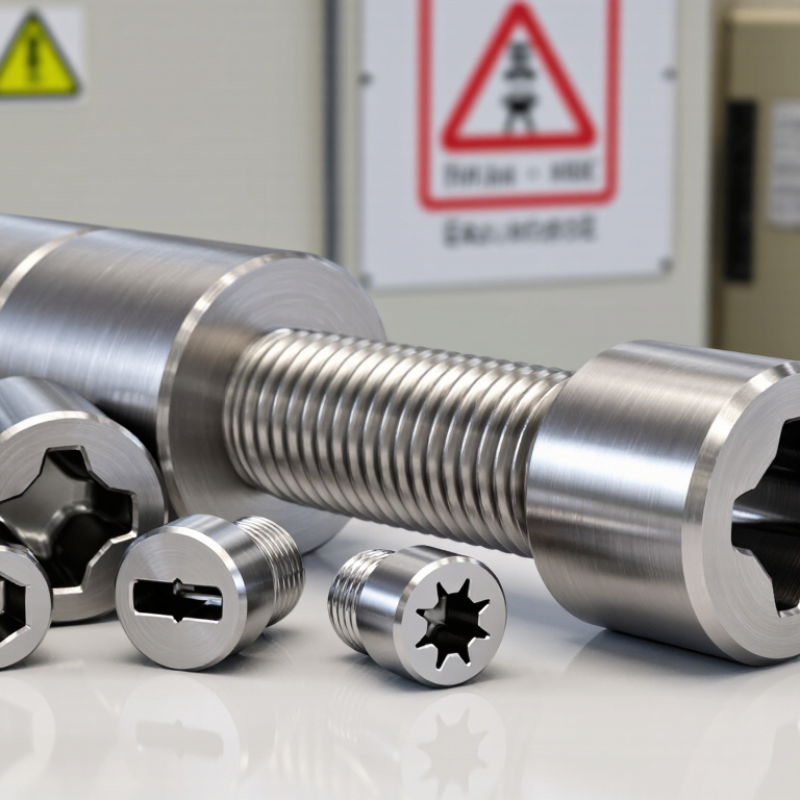
An anti-theft machine screw is a threaded fastener designed to resist unauthorized removal. Its head uses a restricted drive pattern, such as a pin-in or one-way design. Standard screwdrivers cannot easily turn it. This simple difference protects control panels, outdoor equipment, signs, cabinets, and public fixtures.
The security purpose is delay, not magic. A determined person may still remove the screw with specialized tools, so installation quality matters. The 2024 Verizon Data Breach Investigations Report analyzed 30,458 security incidents and found that 68% involved a non-malicious human element. That figure concerns digital breaches, but it supports a wider lesson: security depends on layers and routine controls. Physical access should not be treated as an afterthought. NIST SP 800-53 Rev. 5 also includes physical access controls as part of organizational protection. An anti-theft screw can support that control, especially where equipment is exposed. Still, calling it completely theft-proof is too confident.
Tips: Match the screw material to the environment. Stainless steel suits damp locations, while hardened steel may better resist drilling or cutting. Use the correct driver and avoid over-tightening. Record the drive type for future maintenance. Inspect the joint during service visits. A loose screw defeats the idea. Pair these fasteners with locked enclosures, tamper seals, lighting, and asset checks. The best design is practical, replaceable, and difficult to remove casually.
What Is an Anti Thief Machine Screw?
An anti-theft machine screw uses a drive shape that ordinary tools cannot easily turn. The FBI Crime Data Explorer recorded more than 4.5 million larceny-theft offenses in its 2023 estimates. That figure does not measure screw failures, but it explains why exposed hardware deserves attention. Pin Torx screws add a central post inside the star recess. A matching bit must clear that post. Regular Torx bits usually stop short.
One-way screws are more restrictive. Their sloped heads accept tightening, but resist standard counterclockwise removal. They suit signs, access panels, and outdoor fixtures. Tri-groove screws use three curved slots and require a dedicated socket. Their shallow, unusual pattern discourages casual tampering. It is not magic.
Field installers should check thread diameter, pitch, head clearance, and material before selecting a drive. A hardened screw can damage a soft aluminum panel if torque is excessive. ISO 898-1 provides mechanical-property classifications for carbon and alloy steel fasteners, but it does not rate tamper resistance. That distinction matters. “Security” describes the drive design, not the entire assembly.
Use full bit engagement and steady pressure. A loose bit can round the recess within seconds. Pin Torx may provide better serviceability than one-way designs, because authorized maintenance remains practical. Tri-groove hardware can be stronger operationally, yet replacement tools may be harder to source. No screw is theft-proof. The surrounding panel, washer, and installation method still need honest review.
An anti-thief machine screw is a security fastener with a tamper-resistant drive. It usually has a uniform machine thread for installation in a tapped hole. Its unusual recess discourages casual removal, but no screw is theft-proof. Selection still depends on load, environment, and tool control.
For carbon-steel versions, ISO 898-1 defines property classes 8.8 and 10.9. Class 8.8 has a minimum tensile strength of 800 MPa and a nominal yield strength near 640 MPa. Class 10.9 reaches 1,000 MPa tensile strength and approximately 900 MPa yield strength. These figures come from the mechanical property tables in ISO 898-1:2013. Higher strength is not always better. Excessive tightening can damage tapped threads or distort a thin panel. I would verify the joint design instead of choosing 10.9 automatically.
Stainless options follow ISO 3506-1:2020. Common grades include A2-70 and A4-70, with 700 MPa minimum tensile strength. A2-80 and A4-80 provide 800 MPa minimum tensile strength. A4 generally offers better resistance in chloride-rich or coastal conditions, but surface contamination and galling remain practical concerns. Tips: Match the screw, nut, and washer materials. Use calibrated torque equipment. Check the marking and certificate before installation. Leave room for reflection: laboratory strength does not guarantee field performance, especially where vibration, corrosion, or poor thread engagement exists.
Anti-theft machine screws are fasteners designed to discourage unauthorized removal through specialized drive patterns. Their material grade determines core mechanical performance, while the drive design provides the tamper-resistant function.
How to read the chart: ISO 898-1 carbon and alloy steel property classes 8.8 and 10.9 are compared with ISO 3506-1 stainless steel classes A2-70 and A4-80. The values show minimum tensile strength and minimum yield or proof stress in megapascals (MPa). Higher values generally indicate greater resistance to tensile loading, but final screw selection should also consider corrosion exposure, joint design, installation torque, and the required tamper-resistant drive.
What Is an Anti Thief Machine Screw?
Torque, Clamp Load, and Testing According to ISO 16047
An anti-theft machine screw uses a specialized drive shape to discourage casual removal. Its security feature matters, but controlled tightening matters more. Excessive torque can damage the head, threads, or mating component. Low torque may leave the joint loose and vulnerable to vibration.
ISO 16047 provides a method for measuring the relationship between tightening torque and clamp load. The test normally uses a calibrated torque device, a load sensor, and controlled fastener conditions. Technicians record tightening torque, achieved clamp force, and friction behavior. Thread condition, surface finish, lubrication, and washer use can change the results significantly. Friction often consumes most of the applied torque. That fact is easy to underestimate.
Tips: Test several samples, not one. Keep the fixture rigid. Record temperature and lubrication details. Repeat the test. A clean, dry screw may behave very differently from a lightly lubricated one. In practical evaluations, scatter between samples deserves attention. If the clamp load varies widely, the specified torque may not be reliable. I would also question results from an unverified torque tool. A polished test report cannot repair poor measurement control. ISO 16047 supports repeatable torque-tension testing, but it does not alone prove long-term security performance. That requires separate checks for loosening, wear, and repeated service conditions.
What Is an Anti Thief Machine Screw?
An anti-thief machine screw is a tamper-resistant fastener for equipment, panels, signs, and public fixtures. It discourages casual removal, but no screw is completely theft-proof. The global fasteners market was valued at about USD 85.6 billion in 2023, according to Fortune Business Insights’ 2024 industry report. That scale reflects a practical reality: small specification errors can create expensive maintenance problems.
Thread choice controls strength and installation space. M3 and M4 suit compact enclosures, control panels, and light access covers. M5 and M6 provide a useful balance for machinery guards and outdoor fixtures. M8 to M12 threads fit heavier brackets, frames, and vibration-prone assemblies. Metric thread engagement should match the base material; thin sheet may need a captive nut or threaded insert. Check pitch carefully. A coarse thread is usually easier to install, while a fine thread can improve adjustment and resistance to loosening.
Head style must match the security tool. Pin hex, security Torx-style, two-hole, and one-way heads require dedicated drivers. Button heads offer a low-profile appearance, while pan heads provide a broader bearing surface. Countersunk heads sit flush but demand accurate hole preparation. ISO 898-1 class markings help assess mechanical strength, yet corrosion resistance still depends on coating and environment. Use a calibrated torque driver. Guessing is a common mistake. Field testing should include vibration, weather exposure, and repeated servicing, because the “perfect” security screw can become impractical when technicians cannot remove it cleanly.
| Metric Thread | ISO Coarse Pitch | Nominal Major Diameter | Typical Security Head Styles | Matching Security Tool | Common Applications | Selection Considerations |
|---|---|---|---|---|---|---|
| M3 | 0.50 mm | 3.0 mm | Pin Torx, pin hex, one-way slotted | Security Torx bit, security hex key, one-way removal tool | Small electronics enclosures, control panels, light fixtures | Use a compact head and controlled tightening torque to avoid stripping the small recess. |
| M4 | 0.70 mm | 4.0 mm | Pin Torx, pin hex, spanner, one-way slotted | Security Torx bit, security hex key, two-hole driver, one-way bit | Small cabinets, signage, access covers, equipment guards | Check that the selected head diameter provides enough seating area for the panel material. |
| M5 | 0.80 mm | 5.0 mm | Pin Torx, pin hex, spanner, tri-wing | Security Torx bit, security hex key, two-hole driver, tri-wing bit | Outdoor fixtures, machinery covers, public-use equipment | A larger recess generally offers improved tool engagement, but the tool must match the exact drive profile. |
| M6 | 1.00 mm | 6.0 mm | Pin Torx, pin hex, spanner, one-way slotted | Security Torx bit, security hex key, two-hole driver, one-way removal tool | Machine guards, electrical cabinets, access doors, mounting brackets | Confirm thread engagement and joint strength; do not rely on the security drive as a substitute for correct torque. |
| M8 | 1.25 mm | 8.0 mm | Pin Torx, pin hex, spanner, shear-resistant security head | Large security Torx bit, security hex key, two-hole driver, specialized removal socket | Heavy equipment panels, public infrastructure, industrial enclosures | Use a hardened tool and verify the required tightening torque, washer size, and clearance around the head. |
| M10 | 1.50 mm | 10.0 mm | Pin hex, pin Torx, spanner, tamper-resistant flange head | Large security hex key, security Torx socket, two-hole socket | Structural guards, access hatches, transport equipment, heavy machinery | For high-load joints, verify the fastener grade, material, preload, and installation procedure independently of the security feature. |
| M12 | 1.75 mm | 12.0 mm | Pin hex, pin Torx, spanner, security flange head | Large security hex key, security Torx socket, two-hole socket | Heavy-duty guards, industrial frames, infrastructure access covers | Allow sufficient tool clearance and use a properly rated socket; large security drives may require specialized tooling. |
It uses an unusual drive shape that discourages casual removal. It is not magic. The surrounding panel, washer, and installation method still matter.
A central post sits inside the star-shaped recess. A matching hollow-center bit must fit around it. An ordinary bit usually cannot engage correctly.
They suit signs, access panels, outdoor fixtures, and public equipment. Their sloped heads accept tightening but resist ordinary reverse turning. Removal may become difficult during maintenance.
They have three curved slots and need a dedicated socket. The shallow pattern discourages casual tampering. Replacement tools may be harder to source.
M3 and M4 fit compact enclosures and light covers. M5 and M6 suit machinery guards and outdoor fixtures. M8 to M12 support heavier brackets and vibration-prone frames.
Confirm thread diameter, pitch, head clearance, material, and required driver. Thin sheet may need a threaded insert or captive nut. A specification error can create expensive maintenance problems.
Button heads provide a low-profile appearance. Pan heads offer a wider bearing surface. Countersunk heads sit flush but require accurate hole preparation. The wrong head can interfere with nearby parts.
Use full bit engagement and steady pressure. A loose bit can round the recess within seconds. Use a calibrated torque driver. Guessing is risky.
No screw is completely theft-proof. A strong fastener cannot compensate for a weak panel or poor washer. Review the complete assembly honestly, especially outdoors.
An Anti Thief Machine Screw is a specialized fastener designed to help prevent unauthorized removal of equipment, panels, fixtures, and other valuable assemblies. Unlike conventional machine screws, it uses tamper-resistant drive patterns such as pin Torx, one-way, or tri-groove designs. These heads require matching security tools, making casual disassembly more difficult while still allowing authorized technicians to perform maintenance.
Proper selection involves more than choosing a security drive. Steel screws may use ISO 898-1 property classes such as 8.8 or 10.9, while stainless steel options can follow ISO 3506-1 material classifications for corrosion resistance. Thread sizes from M3 to M12, along with pan, countersunk, socket, or other head styles, should be matched to the application and available installation space. Correct torque is essential because it affects clamp load and joint reliability. Torque and preload performance can be evaluated according to ISO 16047, helping confirm consistent installation without damaging the screw, threads, or connected components.

Krui Hardware