Engineered hardware and custom-manufactured non-standard parts built to tight specifications.
A technical overview of metallurgy, mechanical properties, and precision tooling protocols in OEM manufacturing.
Aluminum extrusion is a foundational technology driving modern structural, architectural, and electronic designs. The select mechanical behaviors of alloys like 6063, 6061, and 6082 represent the cornerstone of structural calculations. Choosing the proper material requires balancing thermal conductivity, corrosion resistance, and tensile strength.
For custom heat sinks or electronic enclosures, 6063 provides superior thermal dissipation characteristics, while 6061 is preferred for high-load applications like aerospace frameworks or automotive suspension sub-frames due to its exceptional yields under high stress. Custom tempering states (T4, T5, T6) allow us to fine-tune the final hardness and ductility profiles to align with strict operational conditions.
The core capability of an OEM extrusion facility lies in its tooling and die designs. Die calibration dictates the wall thickness variation, hollow cross-section integrity, and micro-dimensional tolerances (GD&T standards). Utilizing CNC wire cutting (EDM) and precision grinding platforms, our engineers construct custom tooling that maintains dimensional consistency over prolonged production runs.
A meticulous heat treatment protocol is applied to H13 grade hot-work tool steels to maximize die life, minimizing friction and surface defects on the profile during high-pressure deformation phases. Post-extrusion cooling and stretching methods ensure physical linearity and eliminate structural twist factors.
Year Established
Certified Quality System
High-Precision Specialists
To Ningbo Port Logistics
Your Trusted Global Partner in Custom CNC, Forging, Stamping, and High-Precision Fasteners.
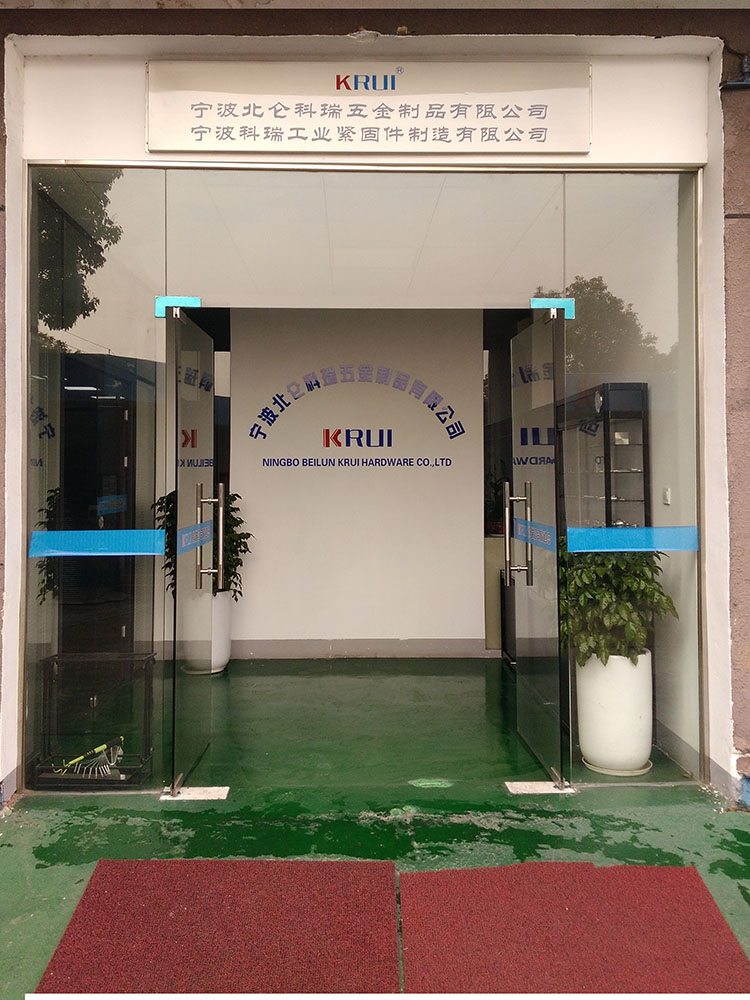
Founded in 2004, Ningbo Krui Hardware Product Co., Ltd. has established itself as an authoritative leader in the hardware manufacturing and precision metal components sector. Strategically situated in the industrial hub of Ningbo, China, our manufacturing facilities benefit from close proximity to major transport networks, positioned just 15 minutes away from the Ningbo seaport. This facilitates expedited shipping timelines and minimizes overland logistical expenses for our global customers.
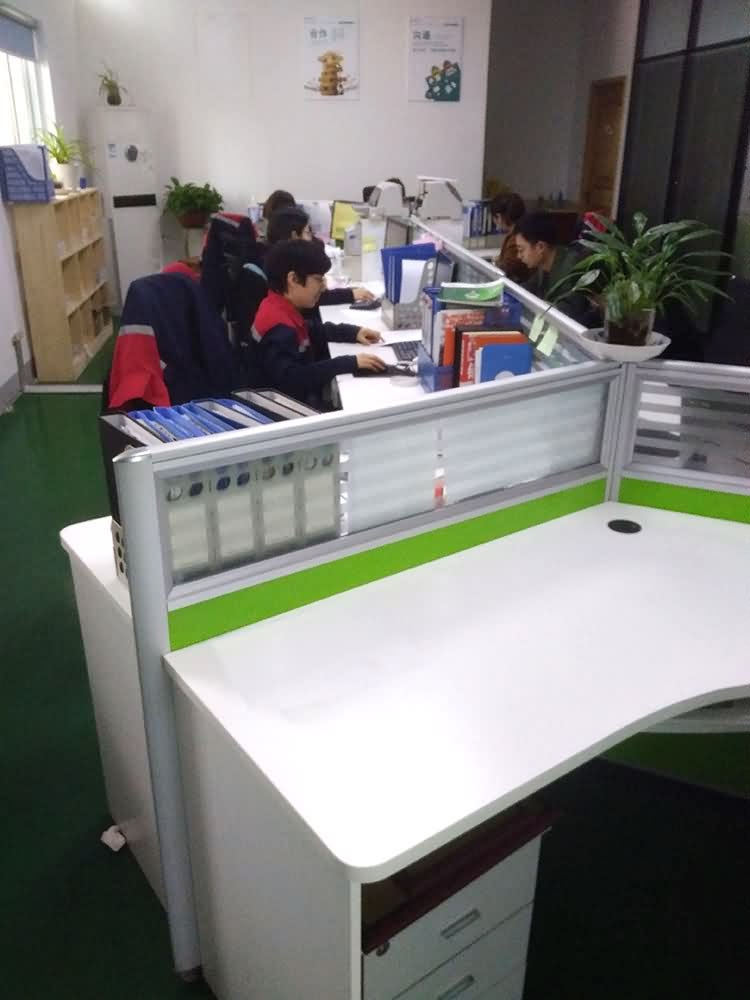
As an ISO 9001:2008 certified company, we maintain a robust quality management framework across our entire operational workflow. Our infrastructure is powered by an active R&D department, an experienced management group, and a dedicated team of 55 highly skilled technical professionals. By leveraging advanced machinery and testing apparatus, we ensure that every custom component matches your architectural drawings or physical sample tolerances.
We provide full-spectrum OEM solutions for non-standard metal components, working with a comprehensive selection of raw materials to meet various design specs. Our material expertise includes:
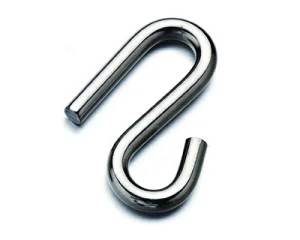
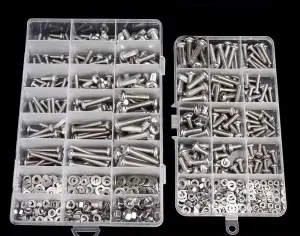
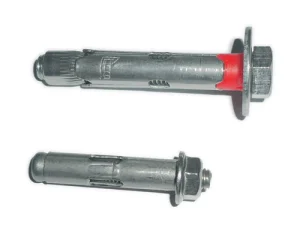
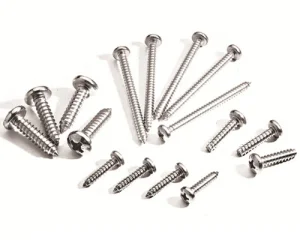
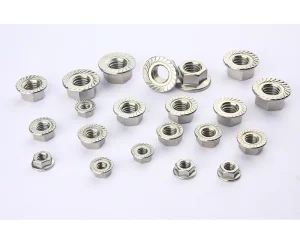
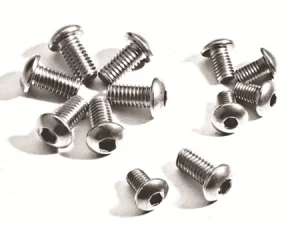
In addition to our bespoke custom manufacturing services, we maintain a large, cost-effective stock of 304/316(L) stainless steel standard components to provide short lead times and continuous supply guarantees.
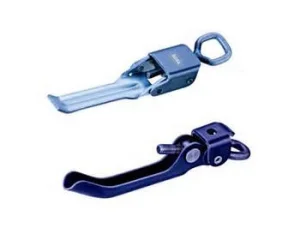
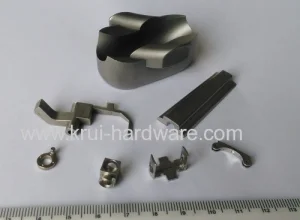
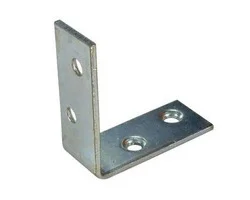
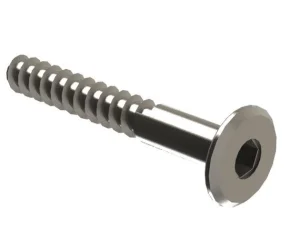
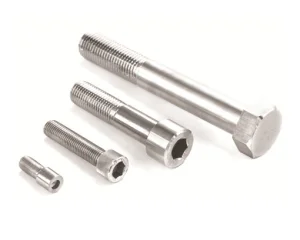
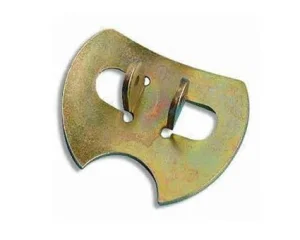
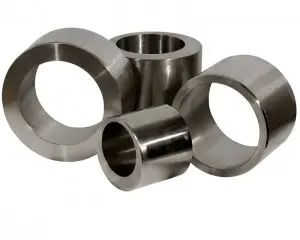
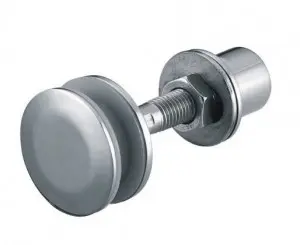
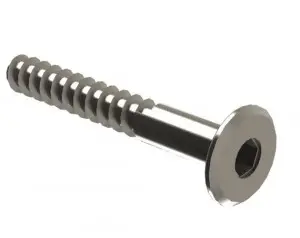
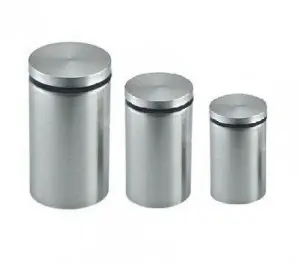
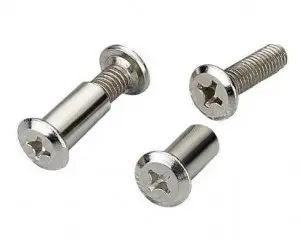
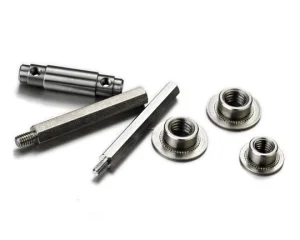
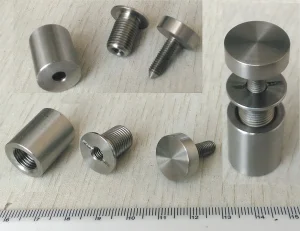
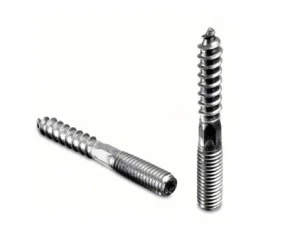
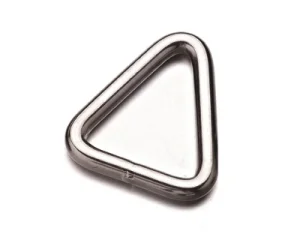
A closer look at our custom bushings, high-durability furniture bolts, and specialty mounting hardware.
Unlocking logistics speed, manufacturing scale, and high-precision supply chains in Ningbo.
The industrial cluster of Ningbo serves as a central hub for alloy sourcing, tool building, and advanced secondary operations. Our proximity to material processors reduces shipping costs and expedites raw material staging for high-volume extrusion runs.
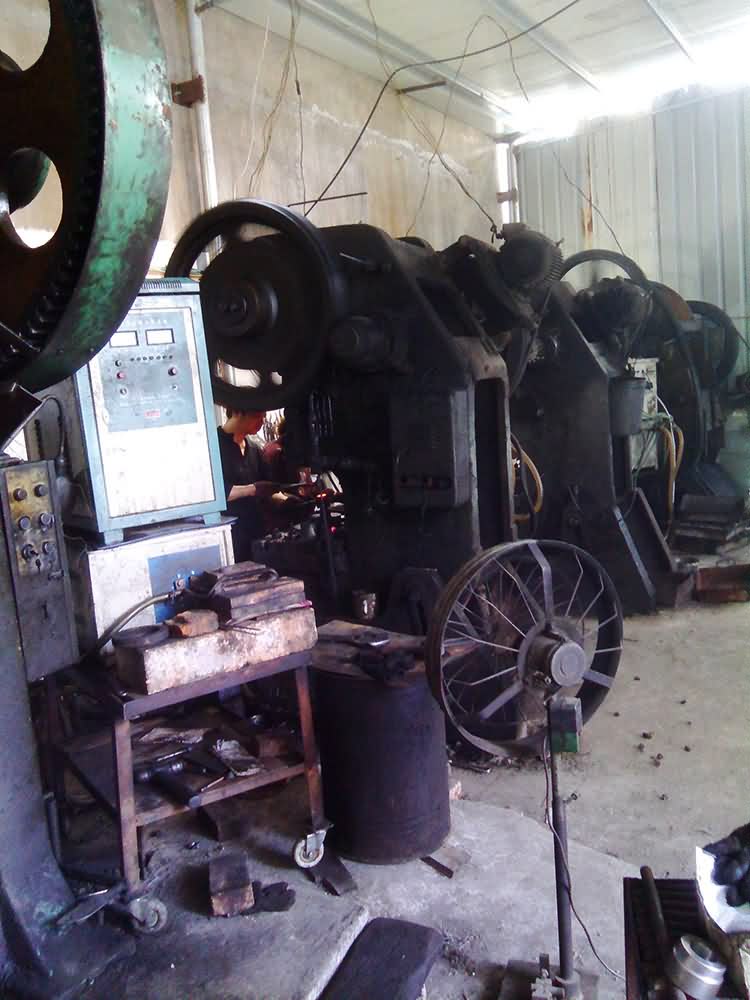
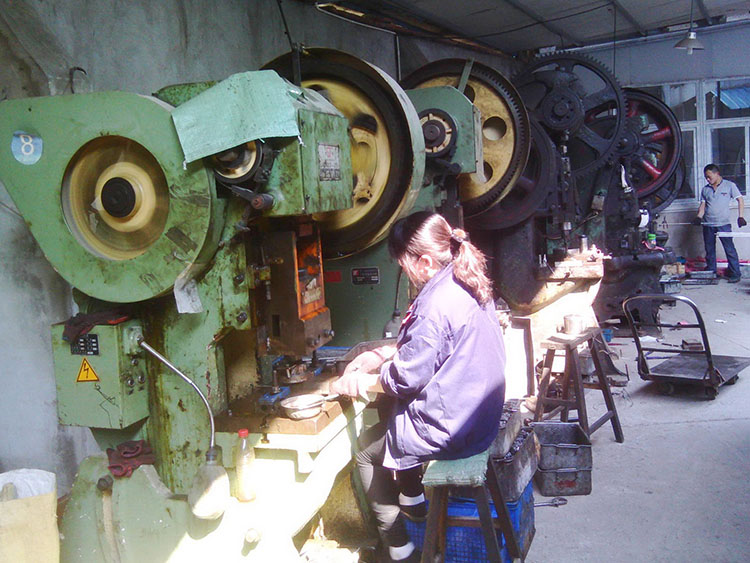
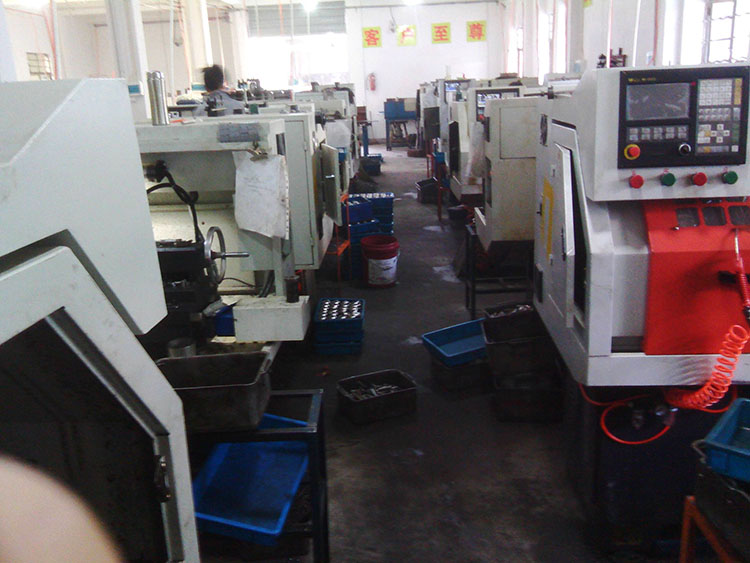
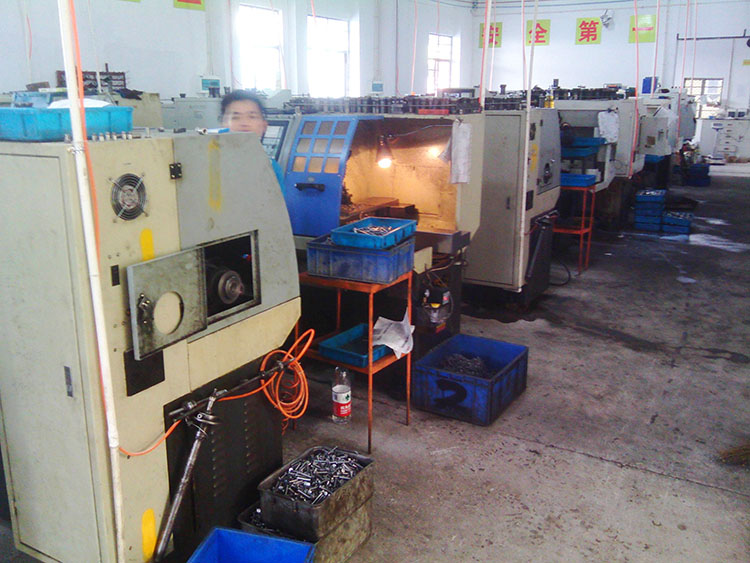
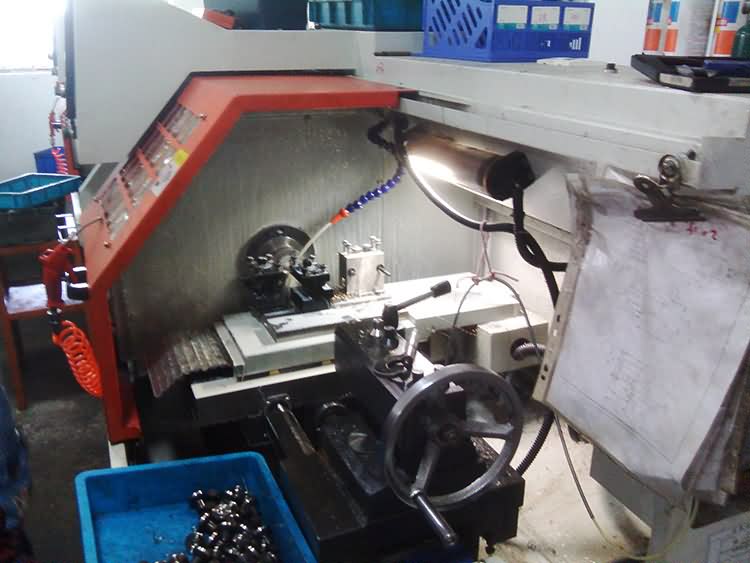
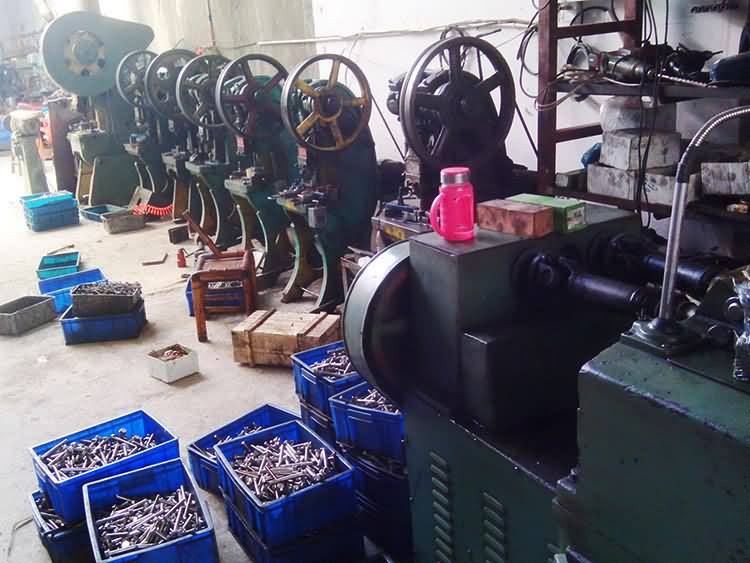
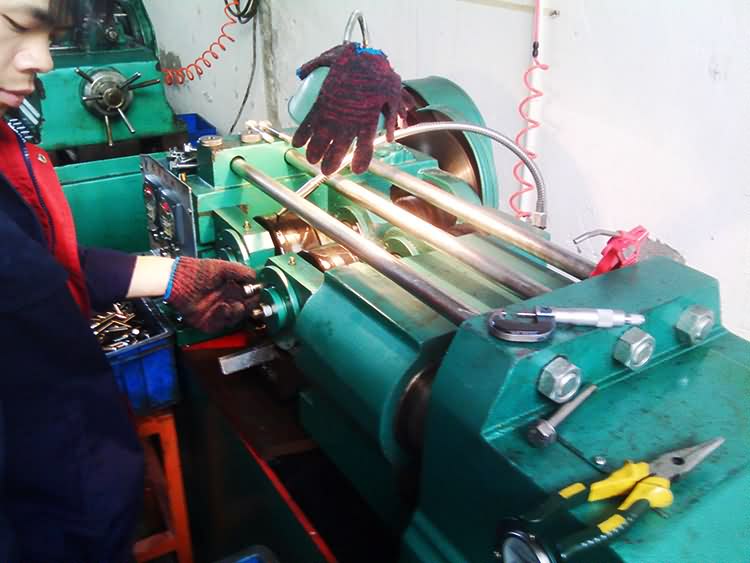
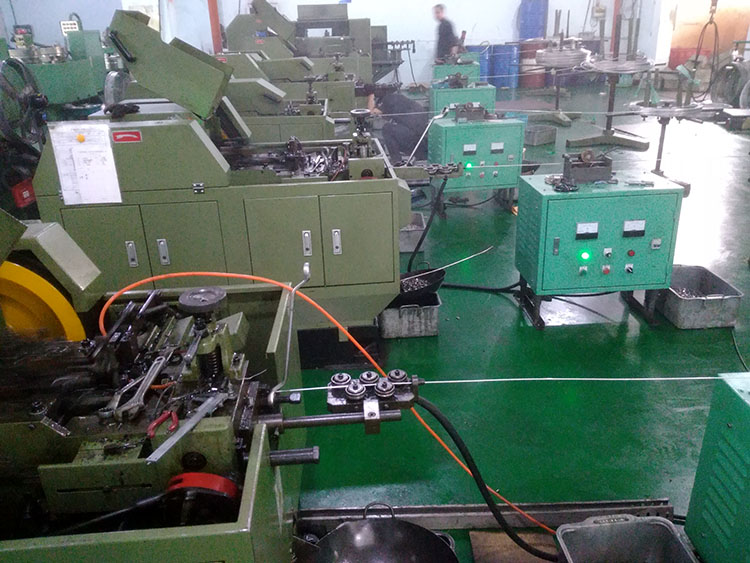
Our facilities are equipped with CNC mills, cold and hot forging stations, automatic thread rollers, and progressive stamping equipment. This enables us to execute post-extrusion steps—such as drilling, tapping, milling, and deburring—in-house to maintain structural integrity.
Being 15 minutes away from the Ningbo Port provides a competitive logistical advantage. Export consignments clear customs quickly, bypassing multiple distribution hubs to ship directly to Europe, the Americas, and APAC markets.
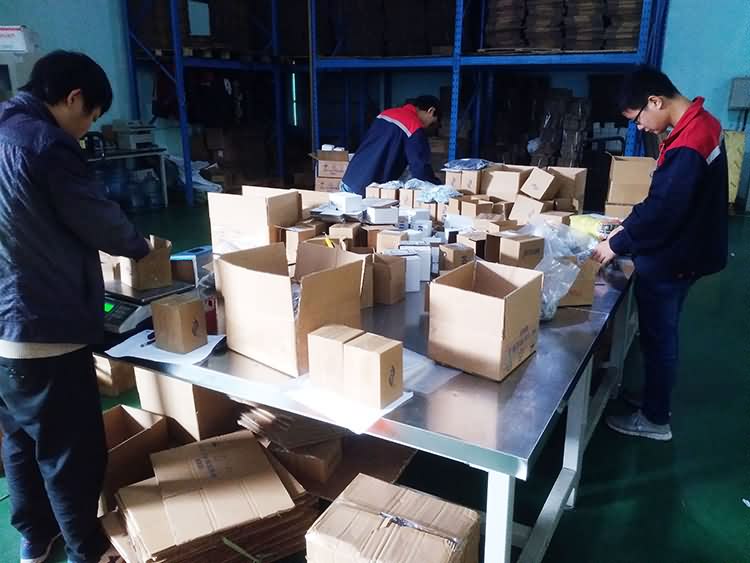
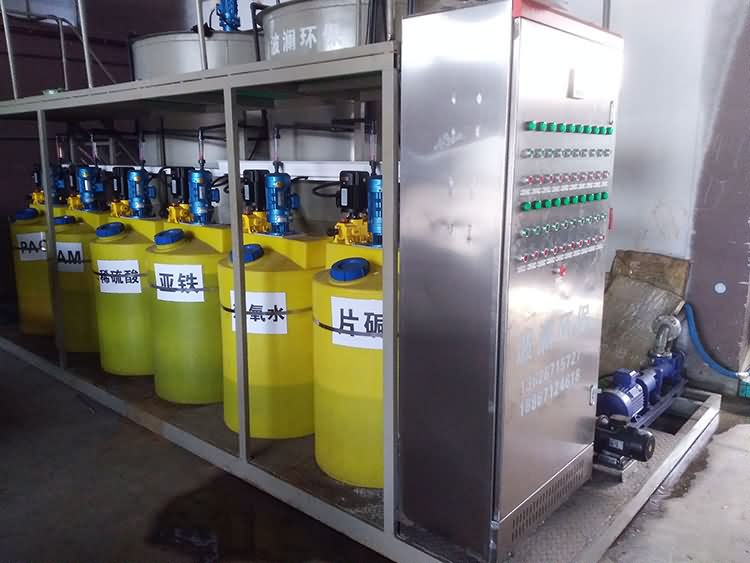
A visual tour of Ningbo Krui Hardware's specialized production departments and quality control lines.
How our custom-extruded profiles and hardware elements power key global infrastructure projects.
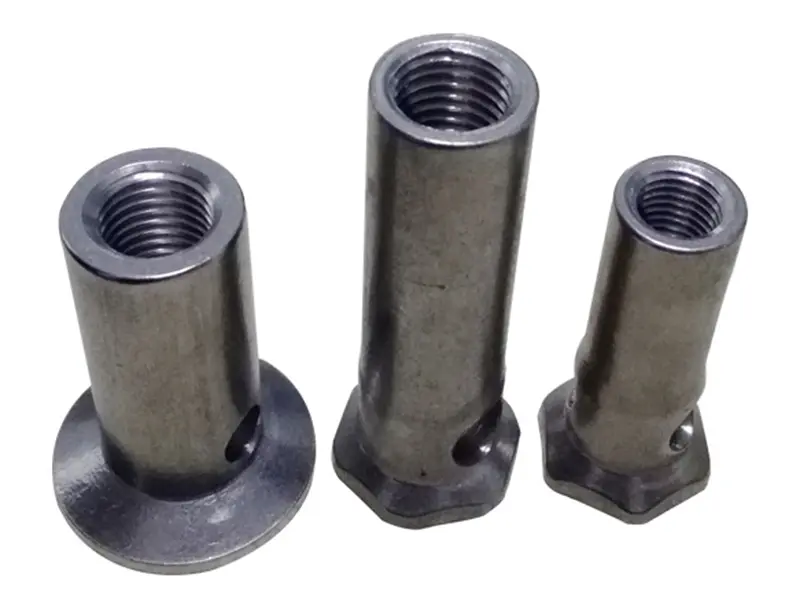
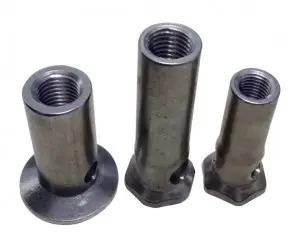
Threaded inserts, bushings, and custom-machined structural parts play a critical role in assembly rigidity. Ideal for automated production lines, automotive chassis, and machine frame fabrications requiring permanent thread points.
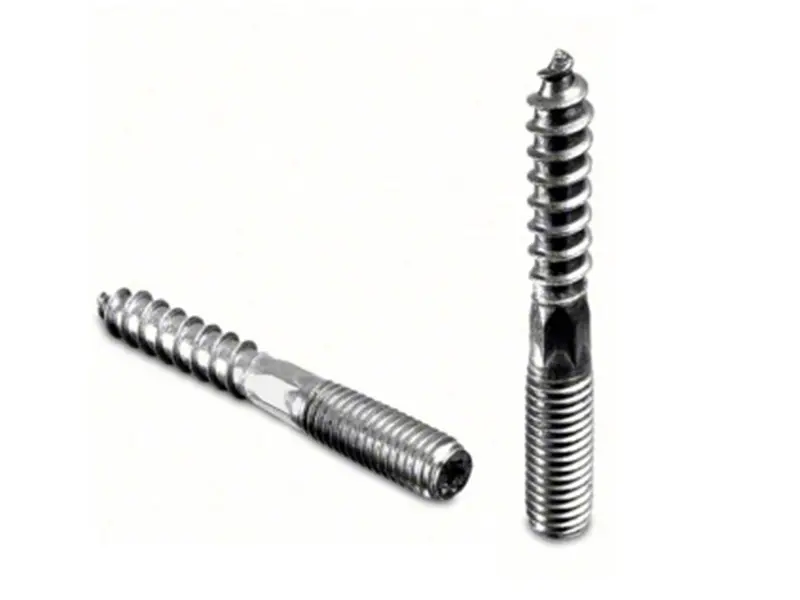
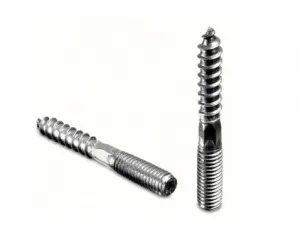
Heavy-duty structural fasteners designed to mount extruded aluminum frames to wooden and metal substructures. Ideal for rooftop solar photovoltaic arrays, structural cladding, and electrical utility installations.
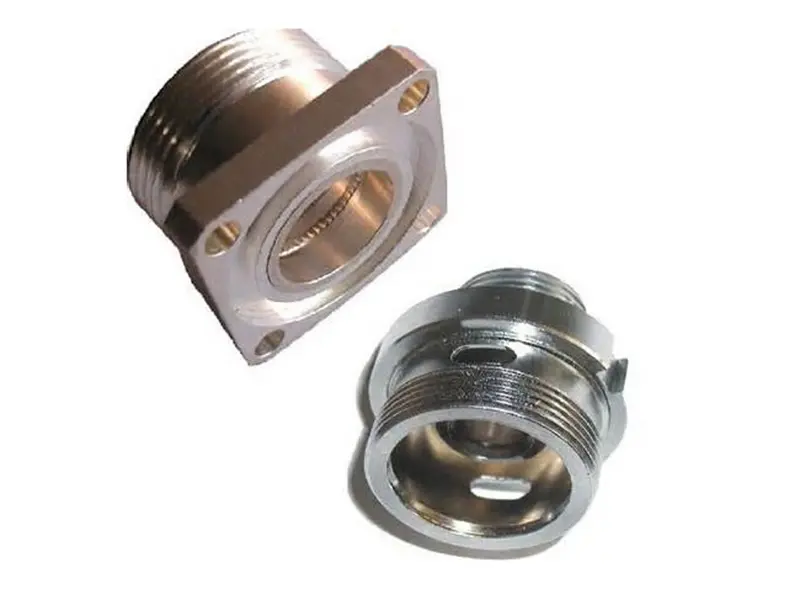
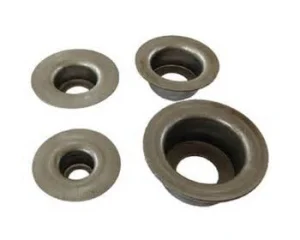
Engineered to handle high-friction radial loads, our customized sleeves and bushings are critical components in heavy equipment suspensions, agricultural pivots, and industrial hydraulic linkages.
Addressing supply chain challenges, international quality standards, and total-cost-of-ownership (TCO) optimization.
Modern global procurement managers face complex challenges, including supply chain volatility, fluctuating material costs, and stringent regulatory frameworks like REACH, RoHS, and CE certifications. Our facility supports sourcing needs by providing comprehensive raw material traceability reports, mill test certifications, and detailed coordinate measuring machine (CMM) inspection records.
By implementing statistical process control (SPC) mechanisms during the extrusion and secondary machining phases, we keep defective rates within standard AQL parameters. This helps prevent shipping delays and reduces the need for incoming inspections at your distribution centers.
To support lean manufacturing systems, we offer customized logistics programs. We coordinate closely with global freight forwarding partners to provide flexible shipping options, including FOB, CIF, DDU, and DDP terms.
Additionally, our inventory management systems support safety stock programs for long-term supply contracts. By keeping a buffer of standard fasteners and semi-finished extruded profiles in our warehouse, we can rapidly adjust to sudden increases in demand, insulating your assembly lines from supply chain disruptions.
Detailed engineering, manufacturing, and logistics answers for procurement directors and structural design engineers.
Explore our extensive inventory of standard and customized hardware components engineered for diverse industrial use.
 Krui Hardware